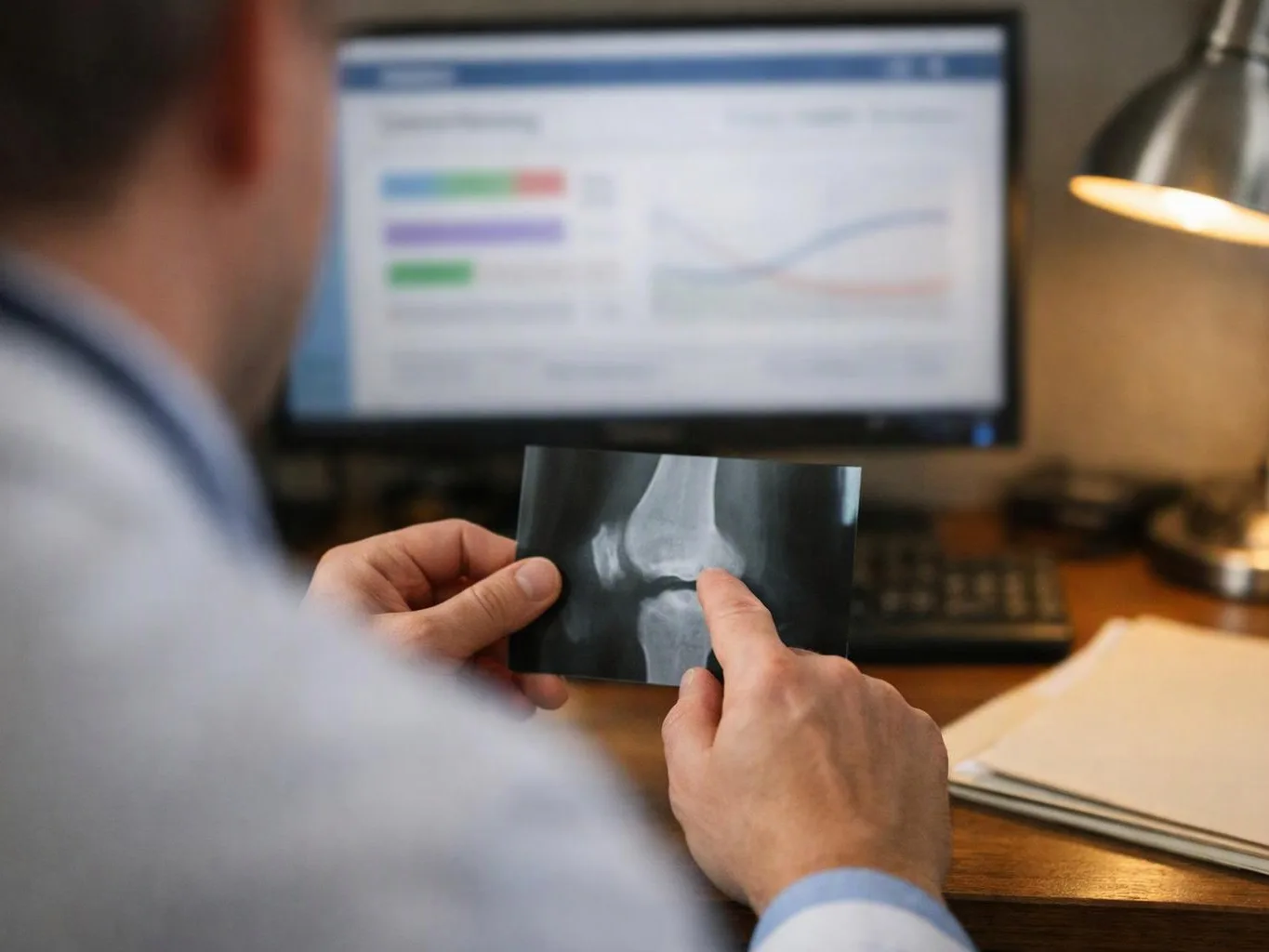

Review the collision and pain pattern
We discuss how the injury occurred, where pain travels, and which movements affect symptoms. This helps define the treatment question.
We use focused injury care to assess facet-related neck or back pain after a motor vehicle collision. Our Stockbridge clinic offers same-day evaluations when available.
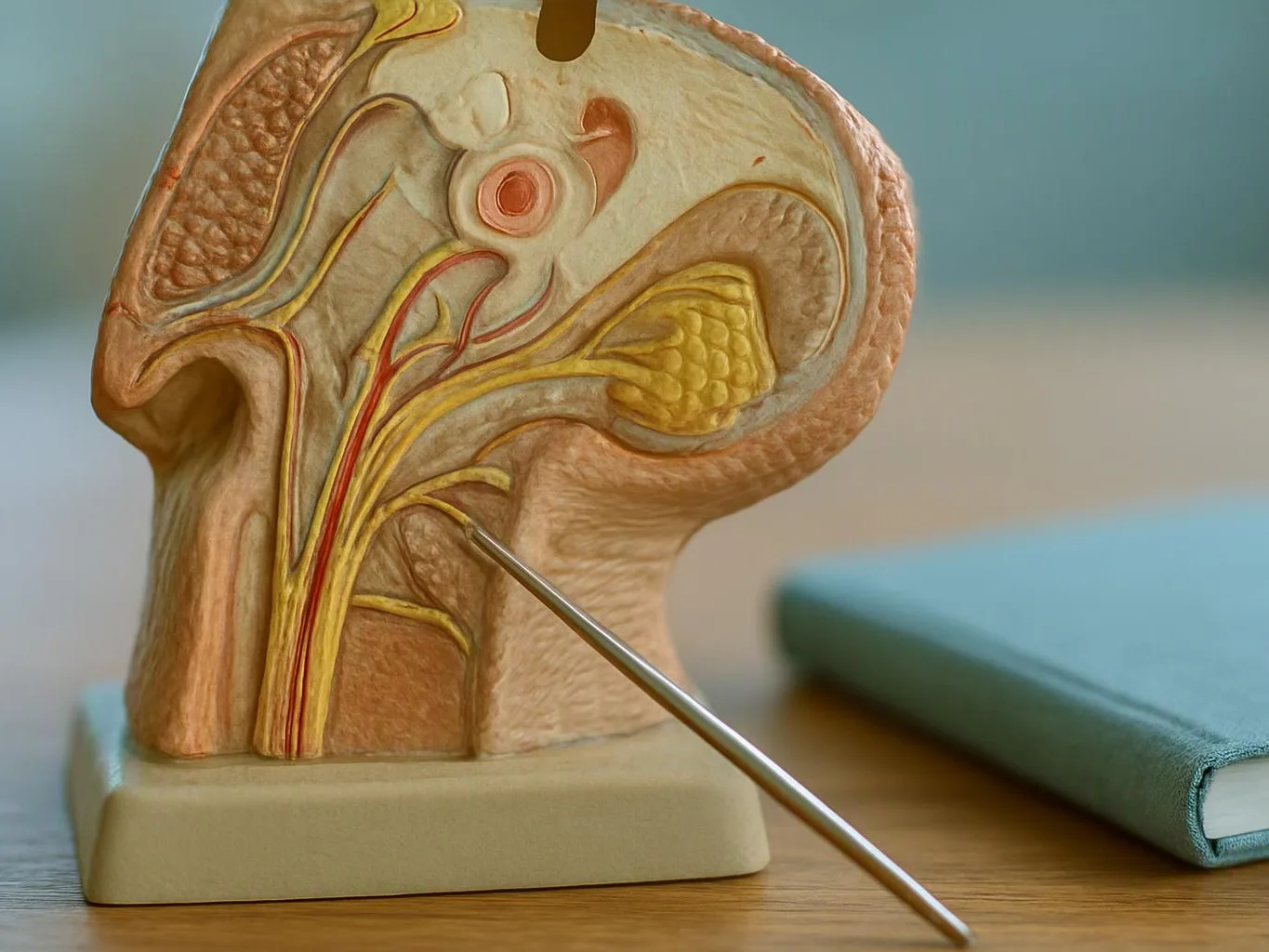
A medial branch block is a targeted injection used to assess pain signals from nerves serving spinal facet joints. It may fit neck or back pain after an auto accident when the examination supports a facet-related source. Request a consultation so we can review the injury and explain the procedure.
A medial branch block may help identify whether facet joint nerves contribute to pain.
The treatment plan can focus on the suspected pain source instead of treating every spinal condition alike.
A documented response can help guide discussion of later interventional options when clinically appropriate.

Medial branch blocks place medication near the small nerves that carry pain signals from spinal facet joints. We use them when the clinical picture suggests those joints may contribute to neck or back pain after a collision. The procedure is not a general test for every back problem. Herniated discs, radiculopathy, muscle injury, and traumatic brain injuries need their own assessment. Our team matches the treatment question to the patient’s symptoms and examination. A useful buyer question is what the block is meant to clarify. We explain the target area, expected observations, and possible next steps before care proceeds. Results vary, so a block does not guarantee lasting relief.
Medial branch blocks are targeted injections that assess pain signals from the small nerves serving spinal facet joints.
We discuss how the injury occurred, where pain travels, and which movements affect symptoms. This helps define the treatment question.
Our team reviews the physical findings and relevant records to separate facet-related pain from disc, nerve-root, muscle, or other injury patterns.
We explain where the medication is placed, what the block may show, and which questions you should ask before proceeding.
We discuss what changes to watch for after the block and document the response for the ongoing treatment plan.
Bring details that help us connect the procedure to your accident injury and current symptoms.
We shape the block discussion around each patient’s symptoms, examination findings, injury history, and care needs.
We consider a medial branch block as an evidence-based, minimally invasive option when the clinical question supports it.
We provide image-guided interventional injections when clinically appropriate and document the targeted treatment response.

Doctor is very knowledgeable about injections and spine . Tracy’s customer service was impeccable. She made me feel at ease . Overall great team !

The staff were super friendly and efficient with my back injections. They made me feel safe and I made a great connection with the receptionist. I was actually surprised by the low level of pain. I’ve had back injections before that were very painful, but these injections felt like a little pinch. Would definitely Recommend this facility.

The staff were very informative. They walked me through the whole process before. I felt very comfortable.
Are you still dealing with neck or back pain after a motor vehicle collision? Schedule a consultation with Premier Injury Specialists to discuss your symptoms, records, and whether this targeted procedure fits your care.

Pain can continue after an accident even when the first treatment plan is complete. The key question is whether facet joints, discs, nerve roots, or soft tissue drive the symptoms. We review your injury history and examination findings in Stockbridge, then explain whether a targeted medial branch block fits the question your care needs to answer.
Neck pain after a crash can have more than one source, and the location alone does not prove facet involvement. A focused assessment matters before choosing an injection. We compare the symptom pattern with the examination, review available records, and explain what a block could clarify before you decide how to proceed.
Some patients want to know what a block would change before agreeing to it. The procedure should connect to a defined clinical question, not a vague search for relief. Our team explains the target nerves, what response to note, and how the findings may shape later care during a consultation.