How does a diagnostic injection help identify occipital neuralgia?
A diagnostic injection helps test whether the occipital nerve contributes to the reported pain. The result is considered with the pain pattern, tender scalp, neck findings, and neurological exam. It is one part of the assessment, not the only decision point. Our team explains what the findings mean before discussing additional interventional care.
What should I bring to my first injury evaluation?
Medical records, imaging reports, medication details, and collision information help us review the injury history. Bring any documents you already have, but don't delay care because a record is unavailable. We can examine your current symptoms, document the findings, and explain what information would help complete the treatment record.
Which symptoms suggest the occipital nerve may be involved?
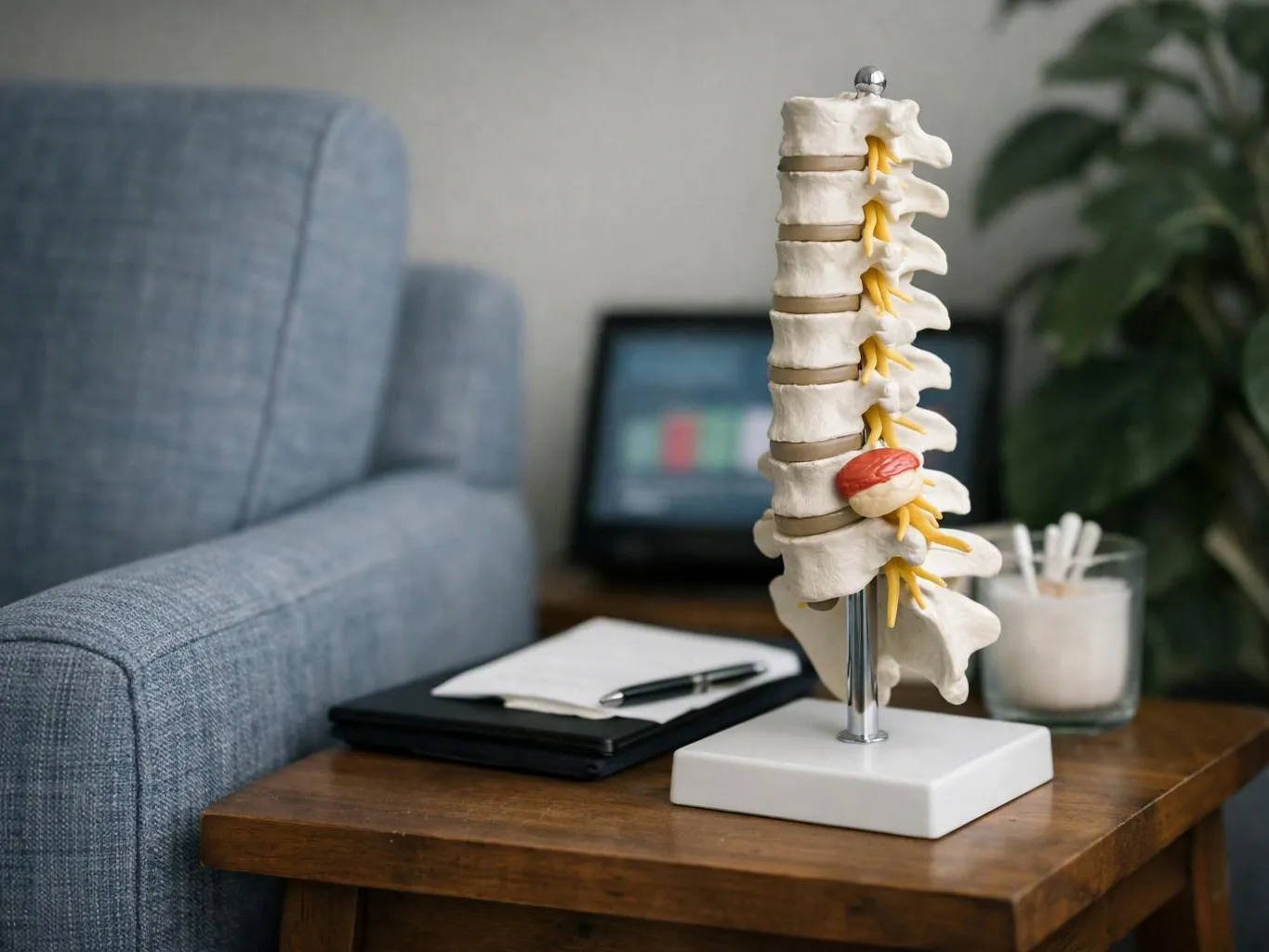
Sharp or burning pain at the back of the head, scalp tenderness, and pain that follows the nerve path suggest possible occipital nerve involvement. Neck movement can also affect symptoms. These signs don't confirm the diagnosis alone, so our team compares them with the neurological exam and full injury history.
Why might head pain continue after an auto accident?
Head pain can continue when neck, soft-tissue, disc, or nerve injuries remain active after a collision. The pain pattern can also change as the injury develops. We review the original symptoms, current examination, and prior treatment so the care plan addresses the documented condition instead of treating the headache in isolation.
What decides whether an injection belongs in my care plan?
The examination findings decide whether an injection fits the care plan. Our team considers the pain pattern, scalp tenderness, neurological findings, medical history, and prior care. Patients receive an explanation of the purpose and possible role of the procedure before treatment. Individual results vary, and no procedure guarantees relief.
Who provides occipital neuralgia care after a collision?
Premier Injury Specialists provides occipital neuralgia care through a coordinated injury practice. The team includes board-certified physicians in Physical Medicine and Rehabilitation and Pain Medicine, along with a certified physician assistant. Care focuses on motor vehicle injuries, targeted procedures, and detailed medical documentation rather than general primary or urgent care.
Can MedPay or an attorney lien cover this injury care?
MedPay or an attorney lien may support billing for eligible auto accident care. The billing path depends on the available claim information and the care provided. We discuss the documentation needed during the consultation, while the clinical team focuses on the examination and treatment plan.