Review the collision and pain pattern
We record how the pain began, where it travels, what triggers it, and which neck symptoms occur with it.
We provide focused pain care for occipital neuralgia after motor vehicle collisions. Our team builds a treatment plan around your symptoms and exam findings.
A focused evaluation separates occipital nerve symptoms from other collision-related headaches.
A matched plan helps connect treatment choices with exam findings and neck injury concerns.
Detailed records support coordinated care with referring professionals and personal injury attorneys.
Occipital neuralgia treatment is a medical service that evaluates irritated occipital nerves and addresses related head and upper-neck pain.
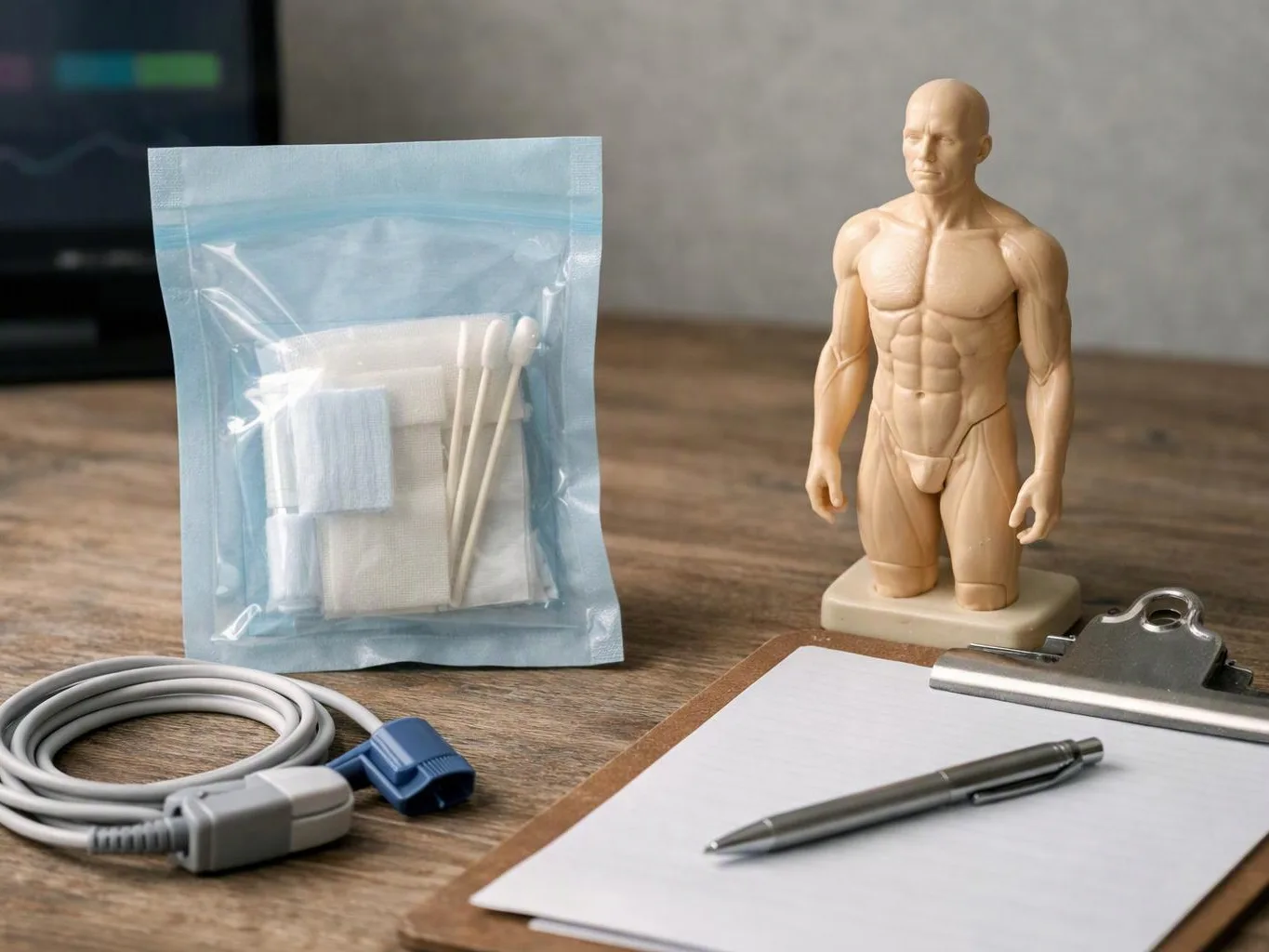
Occipital neuralgia often causes pain near the back of the head, but the source can overlap with neck injury symptoms. We review the collision history, pain location, scalp sensitivity, and neck movement before discussing treatment. Our care may include an occipital nerve block, targeted interventional procedures, or another plan suited to the examination. We also consider related conditions such as whiplash, headaches, radiculopathy, and traumatic brain injuries. Risks and failure points matter. Pain can return if the underlying neck problem remains active, and a procedure may not match the true pain source. We check the response and document findings so the next clinical decision is based on the patient’s condition, not on pain location alone.
We record how the pain began, where it travels, what triggers it, and which neck symptoms occur with it.
We assess tenderness, sensation, movement, and related injury signs to identify findings that support or challenge an occipital nerve source.
If the findings fit, we may discuss an occipital nerve block, another interventional procedure, or continued medical care.
We record the clinical response and update the plan when symptoms persist, return, or point toward another source.
Bring information that helps us connect the head pain with the motor vehicle collision.
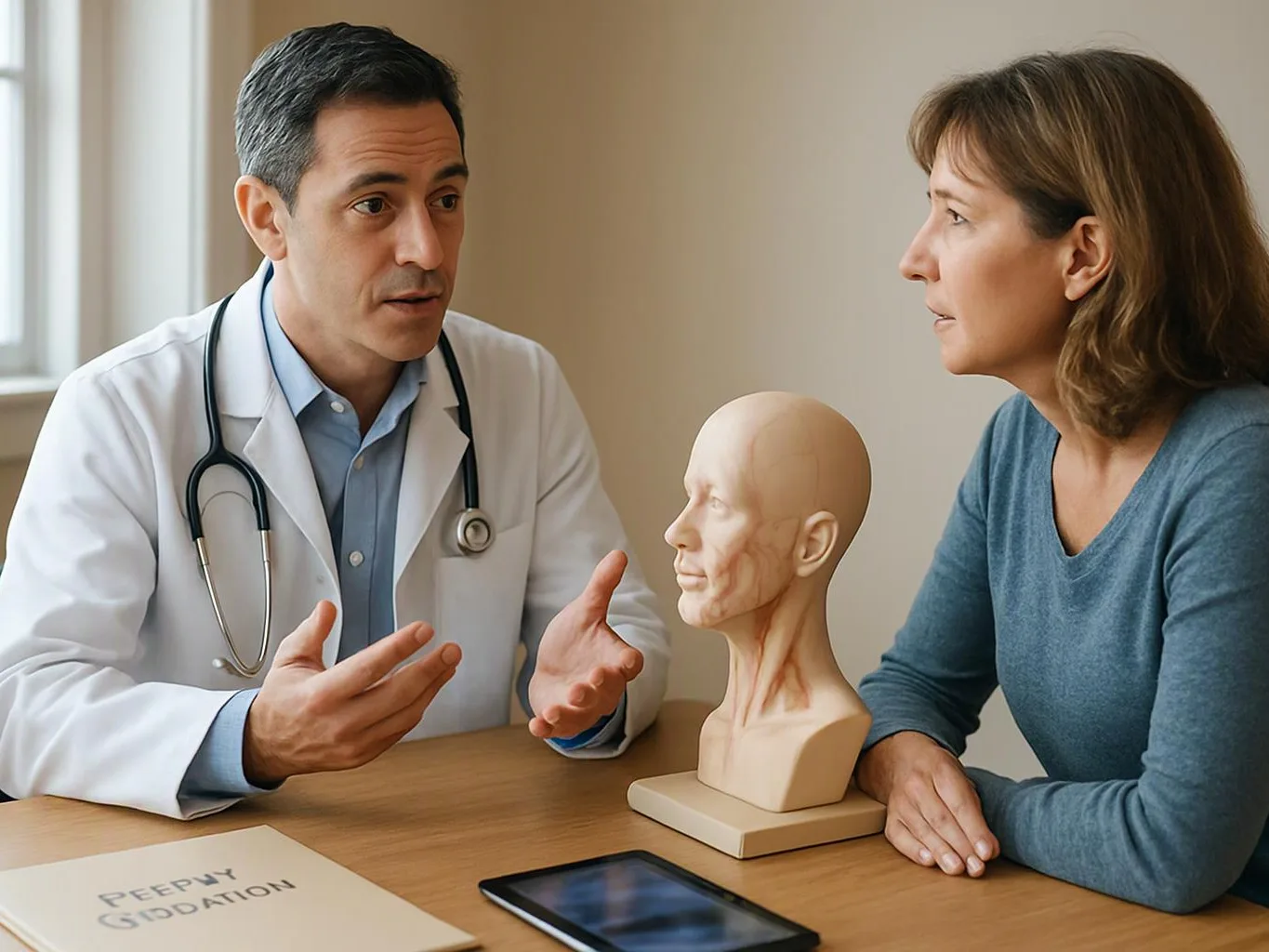
We explain the examination and treatment choices respectfully, while giving each patient space to discuss pain concerns.
We match the treatment plan to each patient’s pain pattern, neck findings, injury history, and clinical needs.
We consider evidence-based, minimally invasive options when the examination supports targeted care for occipital nerve pain.

Doctor is very knowledgeable about injections and spine . Tracy’s customer service was impeccable. She made me feel at ease . Overall great team !

Dr. Scott was amazing. My procedure was almost pain free. I can not thank you enough!

The staff (Tracy) and the medical folks are very nice. They explain everything to you in plain language before you even get started, and once you see doctor (Dr Scott), the assistant (Areyana) is gentle & sweet. They both will walk you through the entire process verbally, as they go and they make sure you are good before you leave as well. Above & beyond when it comes to bedside manner. Just make sure you don't get lost in the Kroger parking lot, listening to GPS. The clinic is inside Arrowhead across the street, behind Subway.
Are head and upper-neck symptoms continuing after a collision? Premier Injury Specialists offers free consultations to discuss your evaluation, treatment options, and medical documentation.
Pain behind the head can feel sharp, burning, or tender after a collision. The key issue is whether the pattern matches occipital nerve irritation or another neck injury. Write down triggers, scalp sensitivity, and neck movement changes before your consultation, then bring any collision records so we can compare symptoms with the examination.
Returning pain doesn't always mean the same procedure should be repeated. The response, timing, neck findings, and original diagnosis all matter when we reassess the plan. Schedule a consultation so our physicians can review what changed, check for another pain source, and document the next recommendation.
Patients working with personal injury attorneys often need medical records that connect symptoms, findings, and treatment decisions. Our coordinated practice documents the injury evaluation and care plan for that purpose. Bring relevant collision records and attorney details, and we'll explain how medical documentation fits into treatment.