When do neurological changes require additional testing after a head injury?
Neurological changes need additional testing when symptoms persist, worsen, or affect memory, balance, focus, or daily function. Our evaluation reviews the symptom pattern, examination, medical records, and available imaging. That review helps determine whether more testing fits the findings. Seek urgent medical care for severe or sudden symptoms, because this clinic does not replace emergency care.
What records should I bring to the first appointment?
Medical records, imaging reports, discharge papers, and a current symptom list help us assess your injury. Bring the collision date, treatment history, medication list, and examples of changes at home or work. Our team reviews these materials with your exam findings, then explains what belongs in the treatment plan and medical record.
How does cognitive screening relate to collision injuries?
Cognitive screening checks changes in memory, focus, processing, and daily function after a collision. The screening does not replace a full medical evaluation or imaging when those services are needed. We compare your answers with the injury history and other findings, then document concerns that may affect treatment or further assessment.
Which symptoms make this service the right fit?
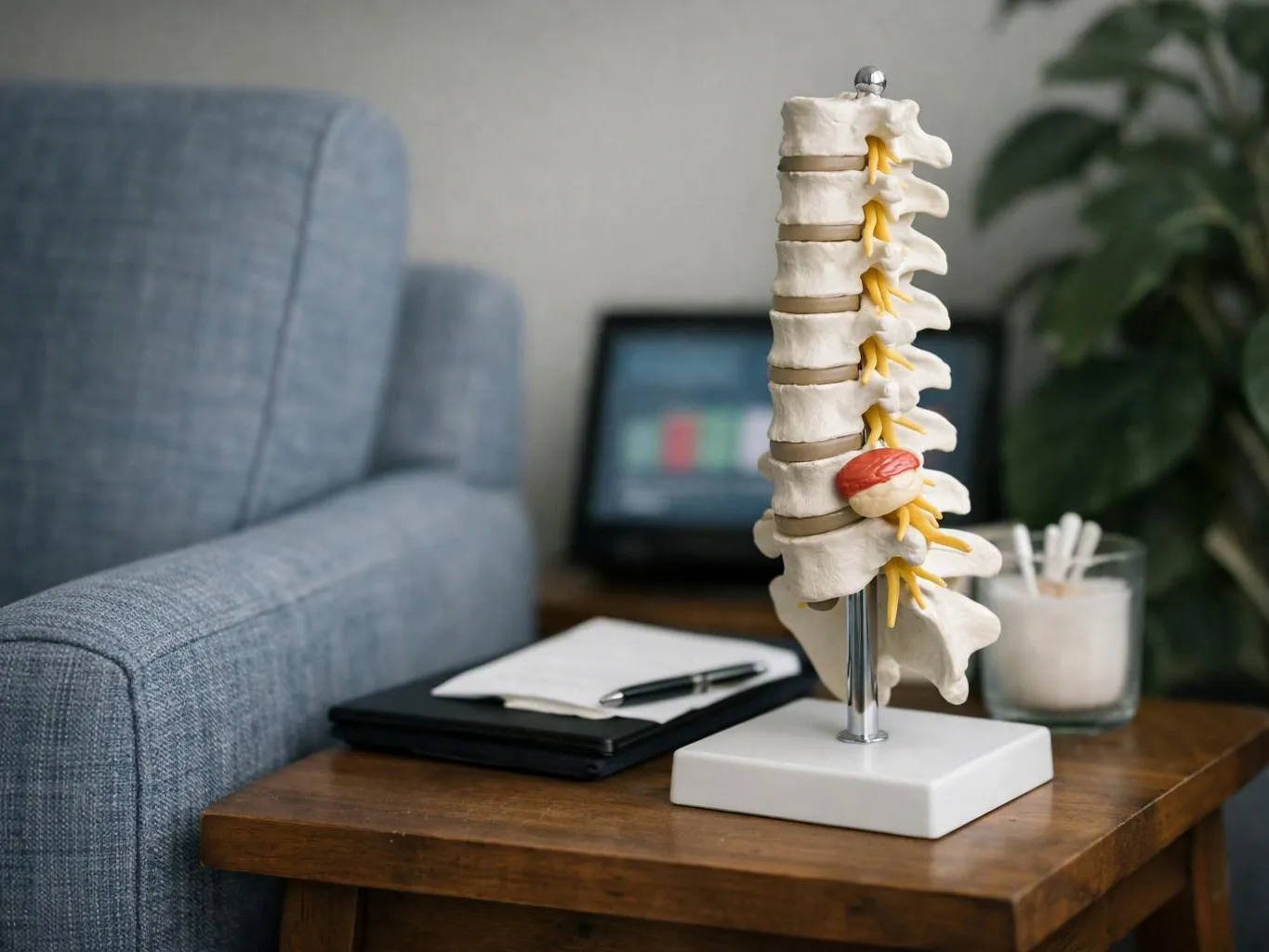
Headaches, dizziness, memory changes, poor concentration, sleep problems, and ongoing pain can make this service a useful fit after a crash. We also assess neck pain, back pain, radiculopathy, and soft-tissue injuries. General primary care, urgent care, and workers’ compensation care fall outside our stated focus.
Why might imaging findings not explain every symptom?
Imaging findings show certain structural changes, but they do not always explain every symptom or functional problem. Our team compares imaging with the examination, symptom history, and medical records. That broader review helps us discuss appropriate care without promising that one test will answer every question.
What does a free consultation cover before treatment?
A free consultation lets you discuss the collision, symptoms, records, and possible next steps before treatment begins. We can explain whether our focused injury care fits your needs and how MedPay or an attorney lien may apply. The consultation does not guarantee a diagnosis, procedure, or treatment outcome.