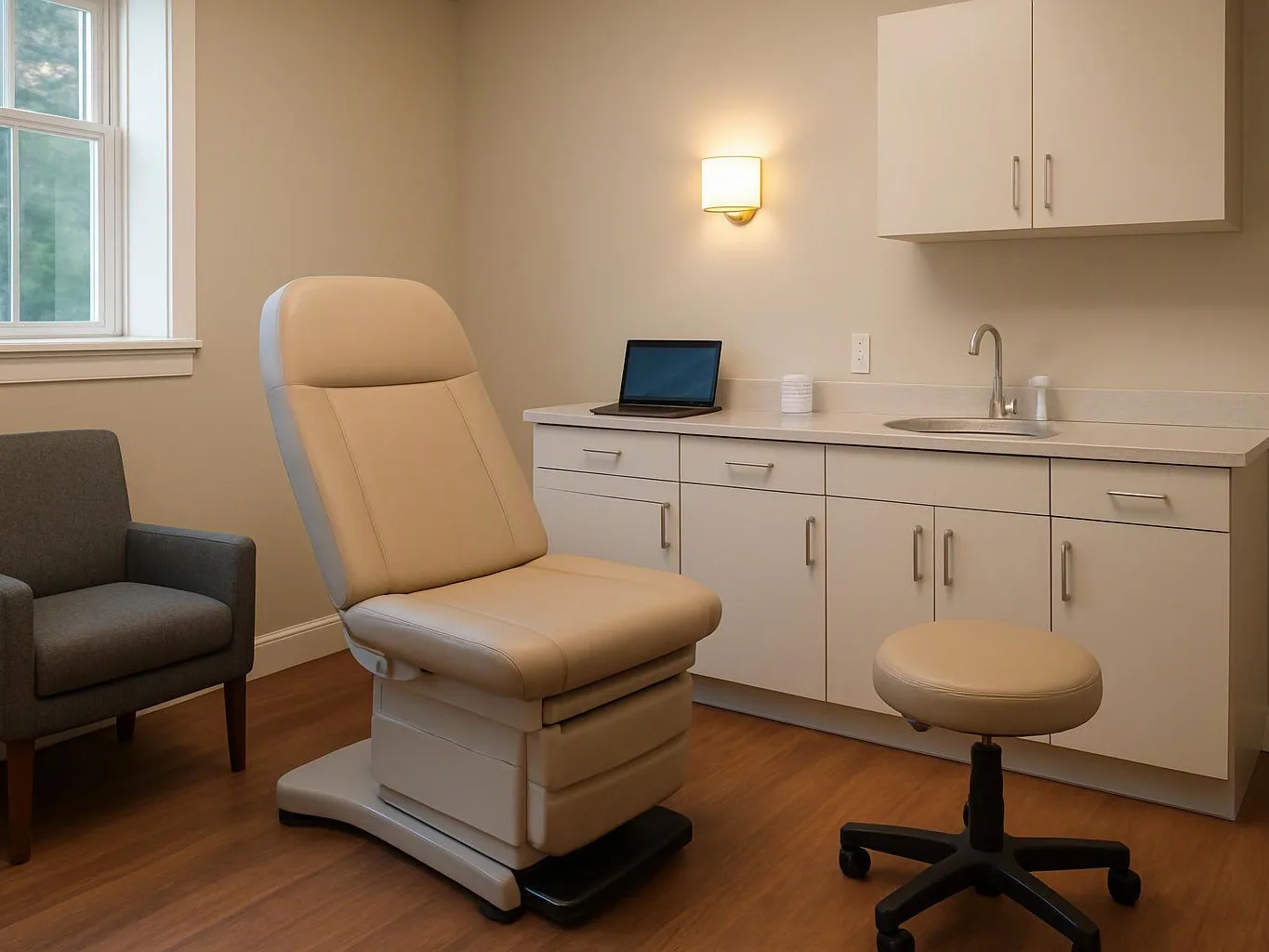
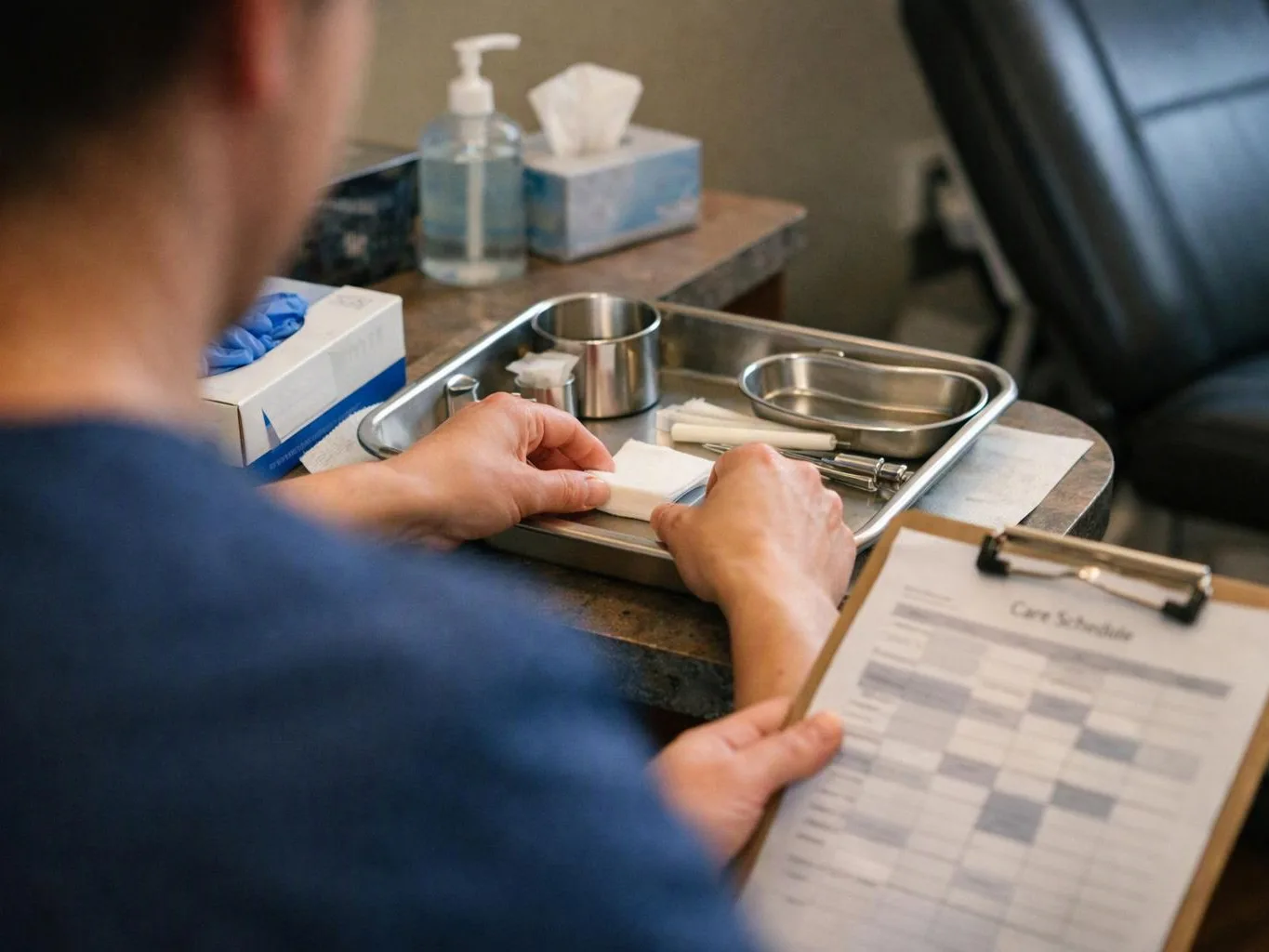
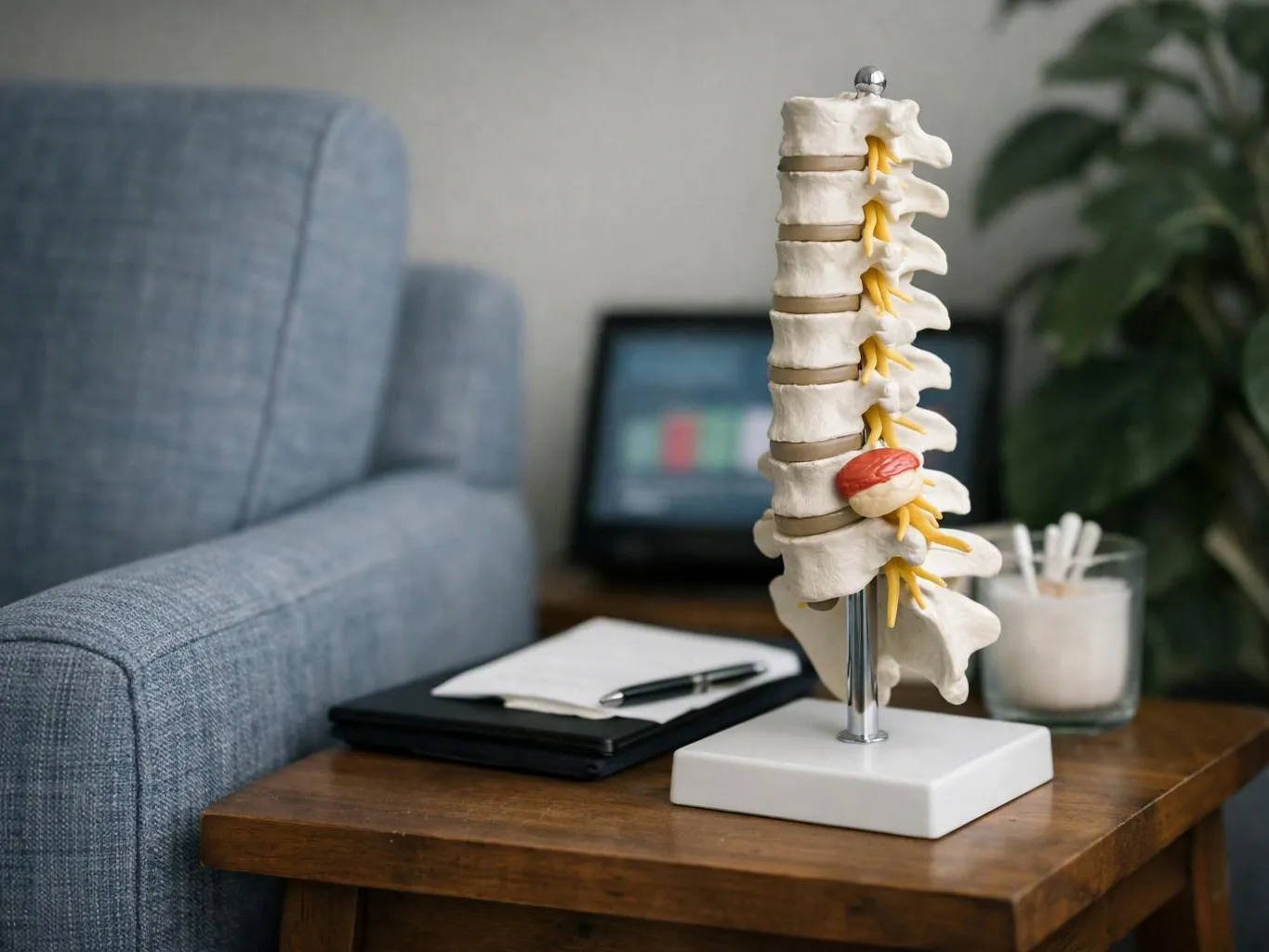
At the outset of the job, what happens during a traumatic brain injury evaluation on a standard service call?
Injury history review comes first, followed by a neurological examination, cognitive screening, and imaging review. Premier Injury Specialists then explains the findings and discusses the next treatment step. The visit focuses on symptoms after a motor vehicle collision, including headaches, dizziness, memory changes, and poor focus. Available hospital, imaging, and treatment records help connect the reported symptoms with the clinical assessment.
How should I prepare for the first evaluation?
Medical records and a written symptom timeline help prepare you for the first evaluation. Bring emergency or hospital records, imaging reports, medication details, and notes about work or daily problems. Include when each symptom began and whether it changed. You don't need to diagnose yourself. Clear details help our team focus the neurological and cognitive review.
Which symptoms make this evaluation a good fit?
Persistent headaches, dizziness, memory changes, and poor focus make this evaluation a reasonable fit after an auto accident. Sleep changes and trouble with daily tasks also deserve discussion. Severe or sudden symptoms need emergency medical care first. Our practice focuses on collision injuries, so a general illness or unrelated condition belongs with a primary care or urgent care provider.
Can imaging alone explain my symptoms?
Imaging alone doesn't always explain every symptom after a collision. The clinical assessment compares scan findings with the injury history, neurological examination, cognitive concerns, and daily function. Bring available reports and scans so our team can review them in context. We explain what the records show and what they do not establish.
What changes the cost of this evaluation for Traumatic Brain Injury Evaluation?
The records reviewed, examination needs, and follow-up treatment influence the cost of care. Free consultations are available, and our team can discuss whether MedPay or an attorney lien applies. We don't provide a made-up amount before understanding the clinical need. Ask for a consultation so the expected services can be explained clearly.
When should I seek urgent medical care?
Severe or worsening symptoms require urgent medical care. Repeated vomiting, fainting, seizures, sudden weakness, or a sharp change in alertness should not wait for a planned pain visit. Emergency clinicians can address immediate safety concerns. After urgent needs are handled, our team can evaluate ongoing collision-related symptoms through the appropriate appointment.
Who provides the brain injury assessment?
Premier Injury Specialists provides the assessment through board-certified physicians in Physical Medicine and Rehabilitation and Pain Medicine. A certified physician assistant is also part of the practice. Our team focuses on people injured in motor vehicle collisions and coordinates evaluation, targeted procedures, and medical documentation through one practice.