For Medical Documentation, can a physician document how pain affects daily activities?
Self-care challenges belong in the medical record when pain changes daily tasks. Premier Injury Specialists documents the activity, the symptom, and the related exam finding. Tell us about bathing, dressing, cooking, walking, or sleep. Specific examples help the physician describe function without overstating the condition.
What should I tell the physician about pain and self-care?
Daily tasks give the physician useful information about functional limits. Describe what you could do before the collision, what changed afterward, and which movement causes trouble. Mention whether pain affects bathing, dressing, meals, driving, or household tasks. Honest detail supports a clear treatment plan and thorough medical documentation.
Which records help at the first injury evaluation?
Prior medical records and imaging help the physician understand the injury history. Bring available reports, medication details, and information about earlier treatment. We also need your account of symptoms and daily limits. Missing records do not prevent an evaluation, because the physician can document the history and exam during care.
When should sleep disruption be added to the pain record?
Sleep disruption should be documented when pain interrupts rest or changes your normal sleep position. Note whether neck pain, back pain, headaches, or nerve symptoms wake you. We record those details with the exam findings and treatment plan. This helps the record address night symptoms as well as daytime activity.
How do mobility limits affect the treatment record?
Mobility limits show how an injury affects movement and function. Describe trouble walking, standing, bending, sitting, or changing position. Our physician compares those reports with range of motion, strength, sensation, and pain findings. The record then supports a focused discussion of treatment options.
Why does work capacity matter in medical documentation?
Work capacity matters because pain can change lifting, sitting, standing, driving, or repeated movement. Explain the tasks your work requires and which ones symptoms affect. We document that information with the clinical findings. The record does not replace workplace or legal advice, but it explains the medical limits observed during care.
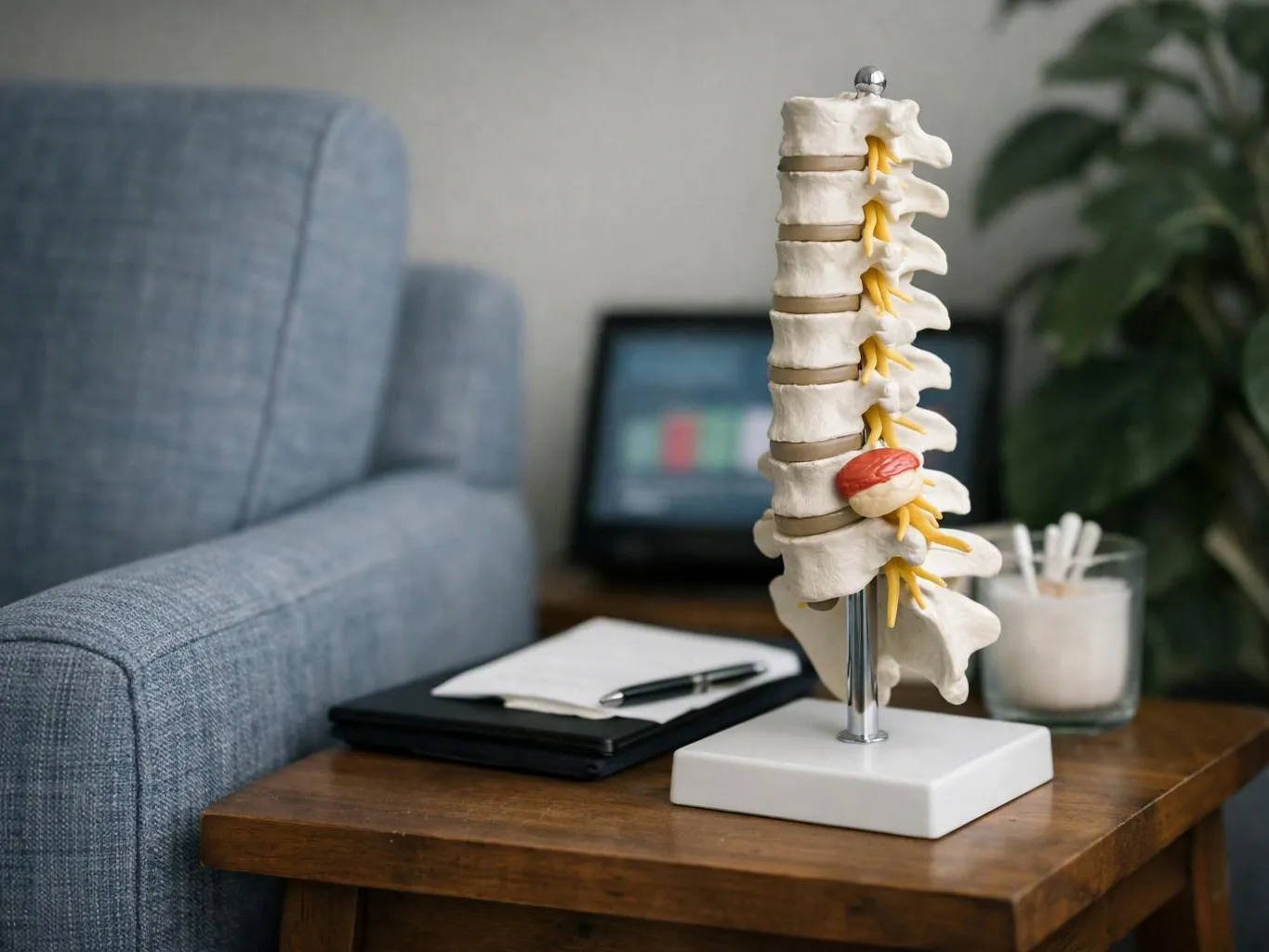
What does a pain physician do for a herniated disc after a crash?
A pain physician evaluates symptoms, nerve findings, movement, and function after a collision. Premier Injury Specialists may discuss epidural steroid injections, medial branch blocks, or other treatment when the condition supports them. The physician explains the plan, records the findings, and follows changes in pain and activity over time.