What makes medical records clear and useful for ongoing care?
Accurate timelines make medical records easier to use during ongoing care. Premier Injury Specialists connects visit dates, symptoms, medication history, objective findings, procedures, and follow-up plans. Each entry adds clinical context for the next visit. The record stays focused on treatment, so physicians and attorneys can understand how care progressed.
Which records should I bring to my first consultation for Medical Documentation?
Prior medical records, imaging reports, medication details, and accident-related treatment notes are useful at the first consultation. Bring records from emergency care, primary care, or other clinicians when available. Our team reviews the information with your reported symptoms and examination needs. You can also discuss which records still need to be requested.
How does medication history affect the care record?
Medication history shows what treatment was tried, changed, or stopped during care. The list helps the physician understand symptom changes and plan follow-up safely. Bring current medicine names and recent changes to the consultation. Our team compares that history with the clinical findings and the patient’s reported pain.
When should follow-up findings be added to my records?
Follow-up findings should be added whenever symptoms, examination results, treatment, or the care plan changes. New entries give the physician a current view of the injury. Our team records those changes during continuing care. Patients should mention new pain, numbness, weakness, headaches, or medication concerns at each visit.
Does this service cover general primary care?
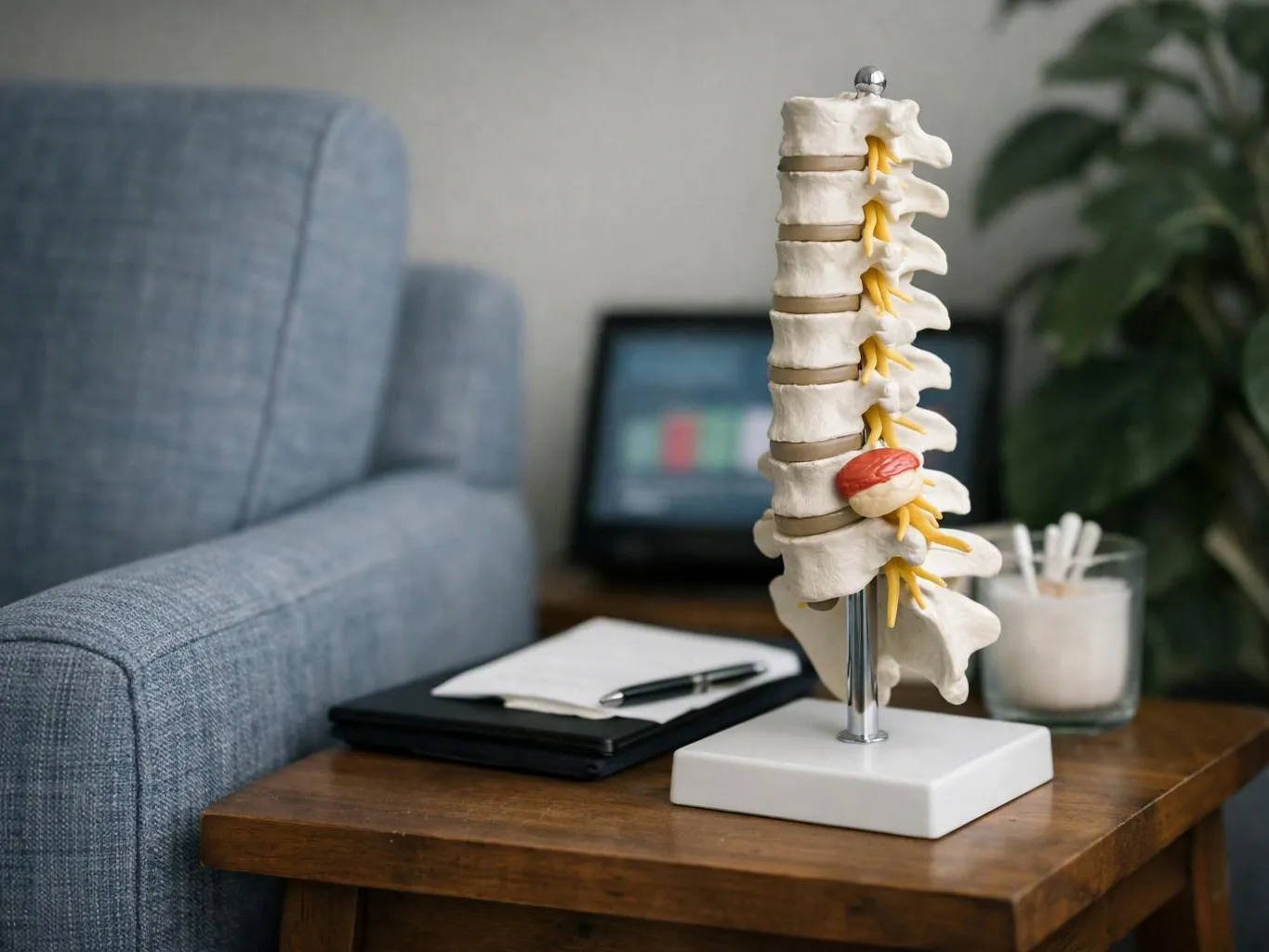
No, this service focuses on auto accident injuries and related pain care. Premier Injury Specialists does not provide general primary care, urgent care, or workers’ compensation care. The record may cover whiplash, herniated discs, sciatica, soft-tissue injuries, traumatic brain injuries, and related symptoms after a motor vehicle collision.
Can personal injury attorneys request treatment documentation?
Yes, personal injury attorneys can work with our practice on documentation during treatment. Attorney coordination does not replace clinical care or the physician’s medical judgment. Our team keeps the record centered on evaluations, findings, procedures, and follow-up plans. Patients can discuss MedPay or an attorney lien during the consultation.
What decides whether an injection belongs in the treatment record?
The patient’s condition, examination findings, symptoms, and treatment plan decide whether an injection belongs in the record. Our physicians may consider epidural steroid injections, facet joint injections, medial branch blocks, occipital nerve blocks, radiofrequency ablation, or joint injections. The record explains the selected care and the findings reviewed.