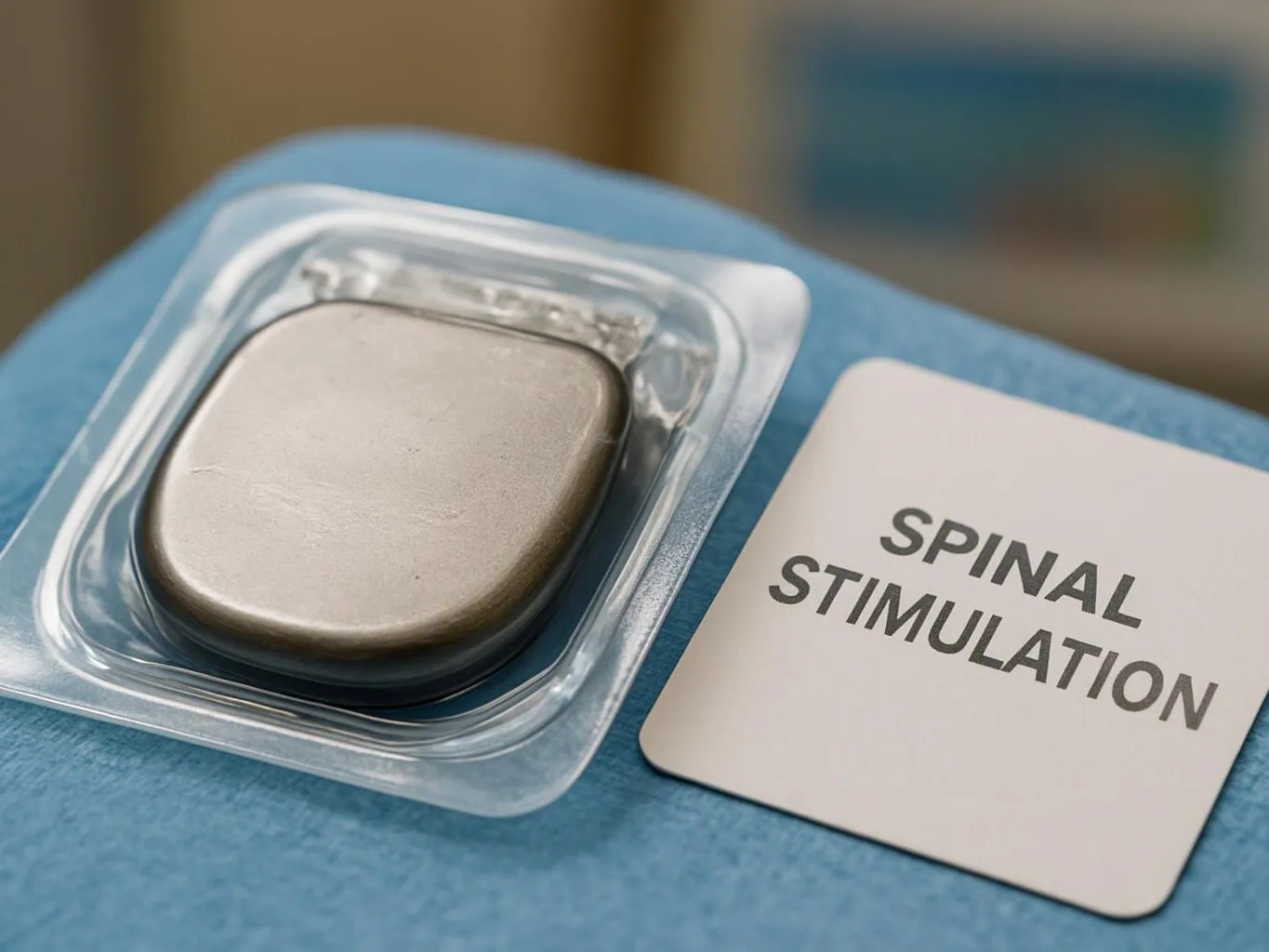
Who may benefit from stimulation after failed surgery?
Persistent nerve pain after failed surgery may fit spinal cord stimulation when symptoms continue and the clinical findings support nerve-related pain. Premier Injury Specialists reviews the pain pattern, exam, prior treatment, and available records before discussing this option. The service may not fit pain from an untreated condition, a new urgent problem, or a source that needs another treatment first.
How does nerve pain differ from joint or muscle pain?
Nerve pain often burns, shocks, tingles, or travels along a limb. Joint pain may stay near a specific joint, while muscle pain often worsens with movement or pressure. Our evaluation checks the symptom path, strength, sensation, and movement so we can connect the complaint with the right treatment option.
What records should I bring to the first consultation for Spinal Cord Stimulation?
Medical records, surgical notes, imaging reports, and a current medication list help us assess persistent pain. Bring records from the collision, prior procedures, and related visits if you have them. A written symptom list can also show when pain began, where it travels, and what makes it worse.
Which findings can change the treatment choice?
The pain source, nerve findings, prior surgery, imaging, and response to earlier care can change the treatment choice. We may discuss an injection, nerve block, radiofrequency ablation, referral, or stimulation after review. Our team explains why one option fits the findings and why another option may not.
When should persistent pain be treated as urgent?
New weakness, loss of bladder or bowel control, or sudden loss of feeling needs urgent medical attention. Severe symptoms after a collision also need prompt assessment, especially when they change quickly. A scheduled pain consultation is not a substitute for emergency care when these warning signs appear.
Why does documentation matter for a crash injury claim?
Medical documentation connects the collision, symptoms, findings, treatment, and follow-up needs in a clear record. Our team records the evaluation and care plan for personal injury claims or MedPay arrangements. Documentation does not guarantee a claim outcome, but it gives your attorney and insurer a medical record to review.
What changes the cost of care for this condition?
The medical evaluation, records review, imaging needs, and selected treatment can change the cost of care. We explain the recommended services and offer Free Consultations. Attorney liens and MedPay arrangements may apply, and no out-of-pocket payment is typically required at the time of the visit.