What should I bring to my first pain evaluation after a crash?
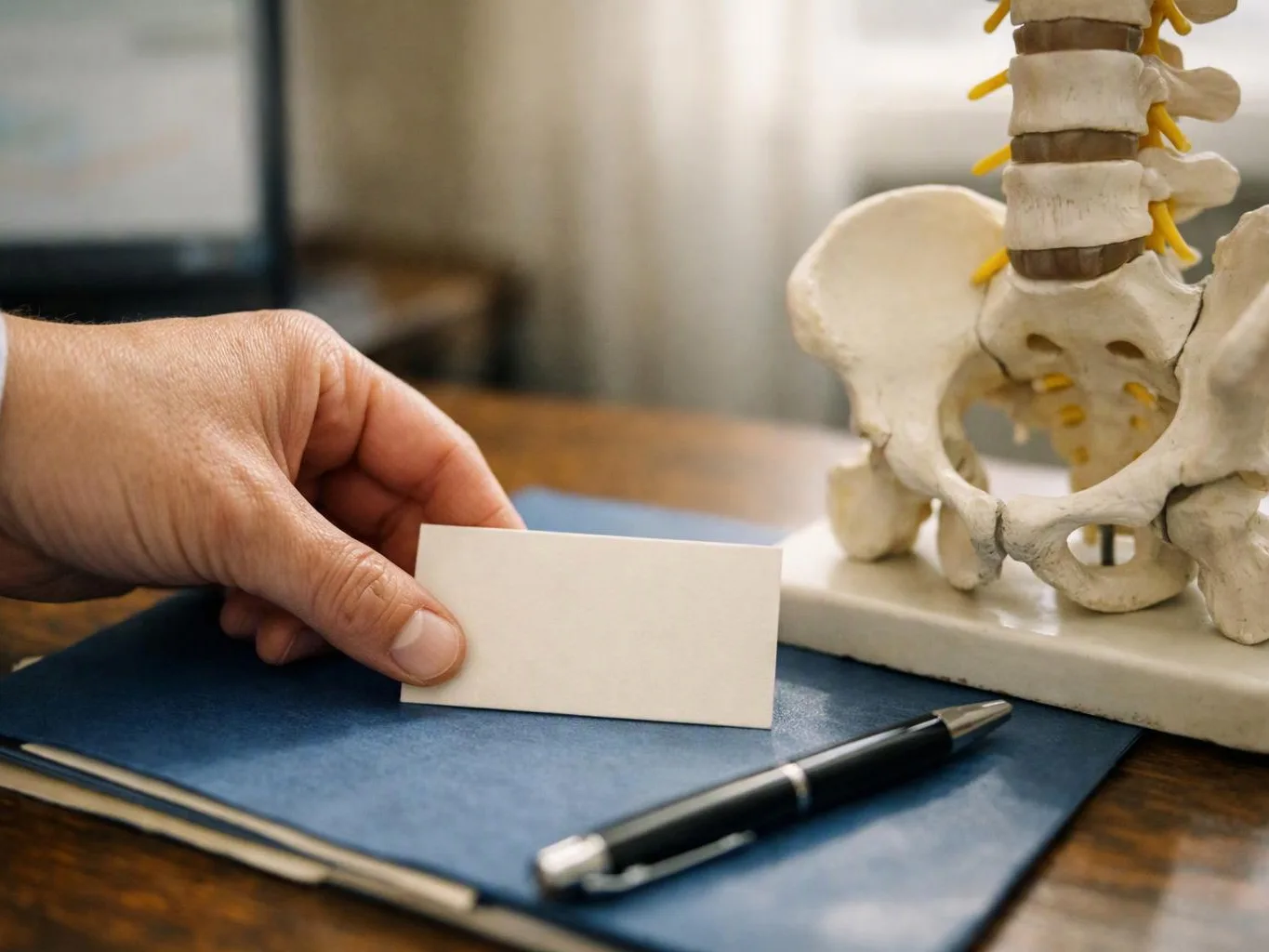
Accident records should come first, followed by imaging reports, a medication list, and insurance information. These items help our physicians compare your history with current findings. Bring attorney contact details too, if an attorney is involved. Missing records won't prevent a consultation, but they may limit what the first review can confirm.
Who provides auto accident injury evaluations for collision pain?
Premier Injury Specialists provides evaluations through board-certified pain management physicians, physicians in Physical Medicine and Rehabilitation and Pain Medicine, and a certified physician assistant. Our practice focuses on motor vehicle collision injuries. We don't provide general primary care, urgent care, or workers’ compensation care.
Which symptoms should I describe before an appointment?
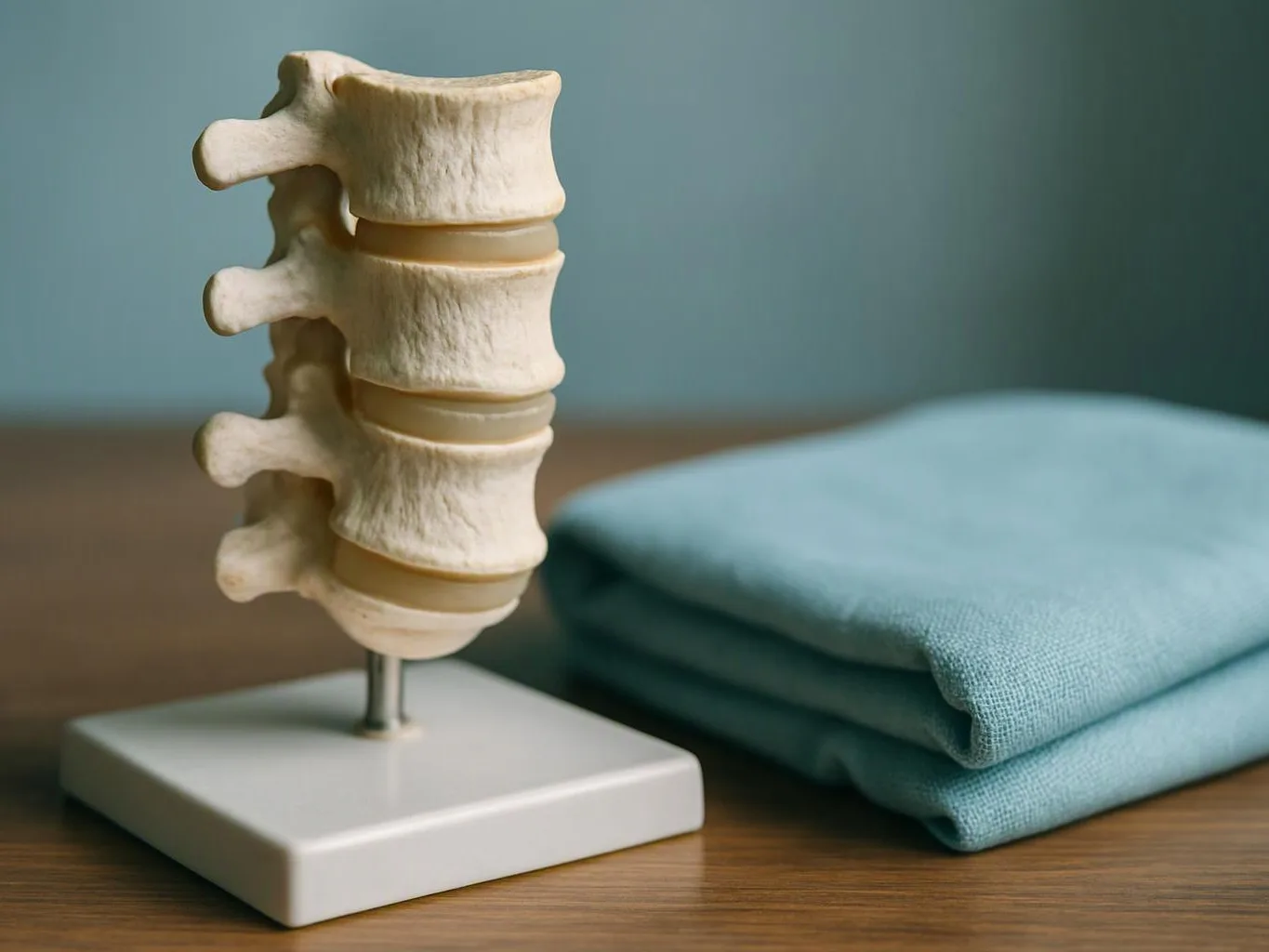
Pain location, numbness, weakness, headaches, and pain that travels into an arm or leg are useful details. Write down when each symptom began and what makes it worse. Our team uses that history with the physical exam to assess conditions such as radiculopathy, sciatica, whiplash, and disc injury.
How does the practice decide whether an injection fits?
An injection fits when the examination, symptoms, and medical records support a target for treatment. Our physicians may discuss epidural steroid injections, facet joint injections, medial branch blocks, or nerve blocks. The evaluation also considers your diagnosis, prior care, and the risks explained before any procedure.
What changes the cost of accident-related pain care?
The clinical service selected, the findings documented, and the billing route affect the cost of care. MedPay or an attorney lien may apply, and our practice works with personal injury attorneys. A consultation gives you a clearer explanation of what care is being considered and how billing information relates to it.
When should I bring imaging reports to the consultation?
Imaging reports should come to the consultation whenever they are available. The report gives our physicians a written account of findings that can be compared with your symptoms and exam. Bring the report even if you don't have the image disc, because the written details still support the clinical review.
Why does a medication list matter after a collision?
A medication list shows what you take for pain and other conditions, which helps guide safe treatment choices. Include prescription medicine, over-the-counter medicine, and supplements. Share any medicine that caused side effects, since that detail can affect the options our physicians discuss.