What causes persistent joint pain after a car accident, and how is it diagnosed?
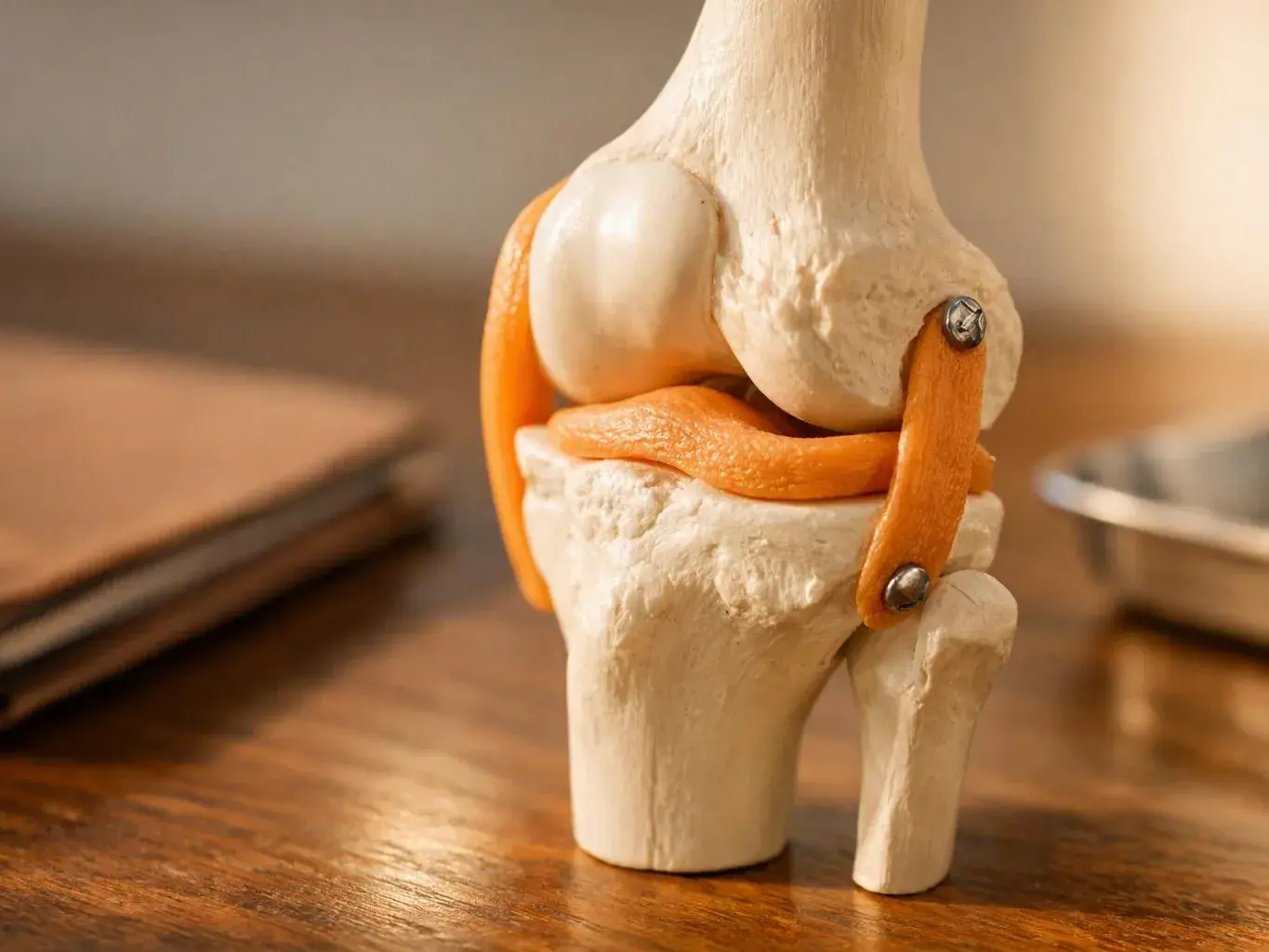
Physical examination helps identify whether persistent joint pain comes from inflammation, soft-tissue injury, nerve irritation, or structural damage. We review the crash history and symptoms first. Then we assess swelling, stiffness, tenderness, strength, and movement. Imaging referrals may follow when the findings need closer review. The record can support personal injury claims or MedPay coverage.
Which doctor should evaluate joint pain after a collision?
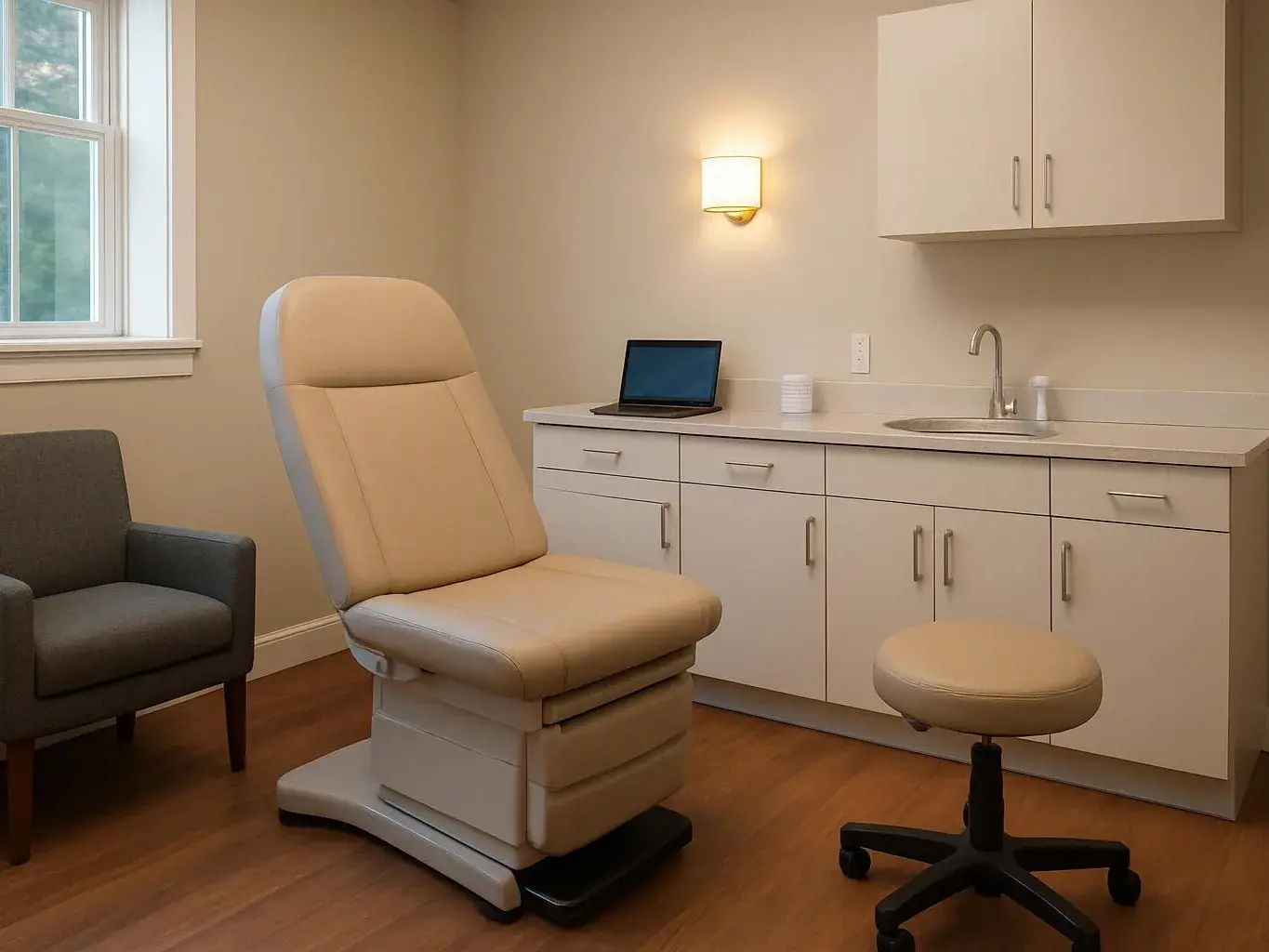
Premier Injury Specialists evaluates crash-related joint pain through board-certified pain management physicians. Our practice focuses on injuries caused by motor vehicle collisions. The visit may cover joint symptoms, whiplash, disc problems, nerve pain, and soft-tissue injuries. We also coordinate imaging or referrals when the examination shows that another service is needed.
How do I prepare for my first joint pain consultation?
Medical records, imaging reports, and a clear symptom history help us assess joint pain during the first consultation. Bring available crash records and a list of current medicines. Note when pain started, which movements worsen it, and whether swelling or numbness appears. Those details help connect your symptoms with the collision and guide the next step.
When is joint pain care the wrong fit after an accident?
Joint pain care is not the right fit when symptoms require emergency evaluation or unrelated primary care. Sudden severe weakness, loss of sensation, or other urgent symptoms need immediate medical attention. Our practice treats collision-related injuries, but we don’t provide general primary care, urgent care, or workers’ compensation care.
What treatments might follow an examination for joint pain?
Treatment options may include imaging referrals, joint injections, nerve blocks, or other pain management procedures. The examination determines which option deserves discussion. Our available treatments include epidural steroid injections, facet joint injections, medial branch blocks, occipital nerve blocks, radiofrequency ablation, and joint injections. Results vary, so we explain the purpose and limits of each option.
Why might pain spread beyond the injured joint?
Pain can spread when nerves, the spine, or nearby soft tissue contribute to the symptoms. We check sensation, strength, movement, and the pattern of pain during the evaluation. A herniated disc, radiculopathy, or sciatica may need different planning from pain limited to one joint. Imaging referrals can help when the findings call for more detail.
Does payment for collision-related care require an upfront visit payment?
No out-of-pocket payment is typically required at the time of the visit. Premier Injury Specialists accepts attorney liens and MedPay arrangements for eligible collision-related care. We discuss the arrangement during the consultation and explain what the medical record will document. Free consultations are available for people reviewing their care options.