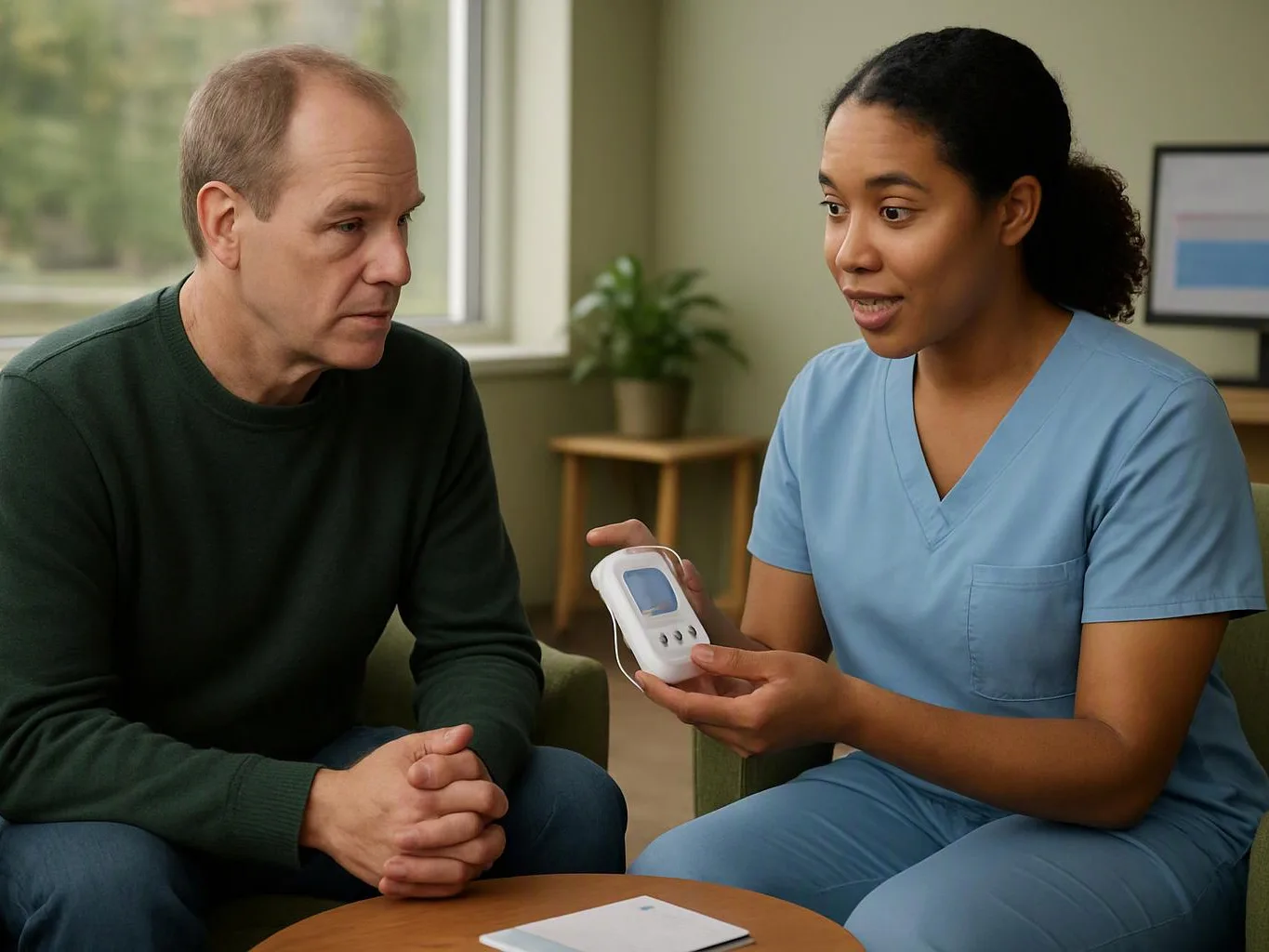
Whiplash and Neck Pain Treatment After a Car Accident
Whiplash treatment after a car accident starts with a medical evaluation to identify neck strain, nerve symptoms, and related injuries. Premier Injury Specialists reviews your symptoms and may recommend targeted care, such as medication management, physical therapy guidance, nerve blocks, or facet joint injections.
Request an EstimateWhat Is Whiplash After a Car Accident?
Whiplash is a neck injury that happens when the head moves quickly backward and forward. This motion can strain muscles, ligaments, and other soft tissue around the cervical spine.
A car accident can cause a cervical strain even when there is no broken bone. We check the full neck injury pattern, including pain that reaches the shoulder region or upper back.
What Symptoms Can Whiplash Cause?
Whiplash symptoms can affect the neck, head, shoulders, back, and arms. We review each symptom because the pattern can point to muscle strain, nerve irritation, or another injury.
Symptoms can change as inflammation develops after the impact. Tell us when each symptom began and what makes it better or worse.
What Causes Whiplash and Neck Pain in a Crash?
A crash causes whiplash when force moves the head and neck beyond their normal motion. The direction and force of the impact can affect which tissues become painful.
Our examination connects the crash mechanics with your symptoms. That helps us assess the likely source of accident-related neck pain.
When Should You Seek Medical Care for Neck Pain?
Medical evaluation is important when neck pain continues, worsens, or occurs with neurological symptoms after a crash. Early care can help identify a neck injury and guide the next step.
Seek urgent attention for severe weakness, loss of coordination, trouble speaking, fainting, or severe confusion. A suspected head injury, severe headache, or new loss of feeling also needs prompt assessment.
We review persistent neck pain and worsening symptoms even when the crash first seemed minor. Bring any emergency records or imaging reports to your appointment.
How We Evaluate Whiplash After a Car Accident
An auto accident injury evaluation connects your crash, symptoms, and physical findings. Our pain management physician uses that information to build a focused treatment plan.

We compare your current findings with your earlier records when they’re available. This creates a clearer picture of the injury and your progress.
How Is Whiplash and Neck Pain Treated?
Whiplash treatment depends on the examination findings, symptom severity, and response to early care. Our team may use conservative care, pain management, physical therapy guidance, medication management, and activity guidance.
Neck pain treatment focuses on the pain source and your ability to function. We adjust the treatment plan when symptoms change or early care doesn’t provide enough relief.
When Can an Occipital Nerve Block Help?
An occipital nerve block may help when irritated occipital nerves contribute to headache or referred pain from the upper neck. We assess the pain pattern before considering this injection therapy.
The occipital nerve carries sensation from the back of the scalp. Our team uses the examination findings to decide whether targeted treatment fits your symptoms.
When Can a Facet Joint Injection Help?
A facet joint injection may help when examination findings point to pain from the small joints in the cervical spine. These cervical facet joints help guide neck movement.
We may use a diagnostic injection to learn whether joint-related neck pain contributes to your symptoms. The result helps guide further targeted treatment.
How We Document Accident-Related Neck Injuries
Medical documentation records your symptoms, examination findings, treatment, and progress after the accident. We keep the symptom history connected to the physical examination and diagnostic findings.
Our injury records can include the treatment plan, imaging review, medication decisions, and follow-up care. Clear records help show how your condition changes over time.
What Can Help Prevent Neck Strain in a Future Crash?
Vehicle safety habits can reduce some neck movement during a crash. They can’t prevent every injury, but they support safer positioning.
Check your seating position before driving. We can also discuss injury concerns after a new collision.
What Happens During Your Treatment Plan?
Treatment planning begins with a symptom review and a discussion of care options. Our team matches each step to your examination and daily needs.
Follow-up care helps us respond to improvement, new symptoms, or ongoing limits. We document changes so your treatment plan stays focused.
How Can You Start an Evaluation for Whiplash?
You can start an auto accident injury evaluation by contacting Premier Injury Specialists and sharing your accident and symptom history. Our team will review the appointment request and explain what medical records to bring.
Have your accident details, current symptoms, prior treatment notes, and imaging reports available. This information helps us begin a careful evaluation of your neck pain.
Request an evaluation so we can discuss your next step. Premier Injury Specialists provides Free Consultations, and our team will guide you through the process.
Questions About Whiplash and Neck Pain After a Crash
Can whiplash symptoms appear after a car accident?
Yes, whiplash symptoms can appear after a car accident, even when pain isn’t immediate. Premier Injury Specialists reviews delayed pain, stiffness, headaches, and nerve symptoms during an examination.
Can whiplash cause headaches and shoulder pain?
Yes, whiplash can cause headaches and shoulder pain when neck muscles, joints, or nerves become irritated. We assess the pain pattern to identify related neck and upper back injuries.
What type of doctor treats whiplash after a car accident?
Premier Injury Specialists treats whiplash through a pain management physician’s evaluation, targeted care, and follow-up assessment. Treatment may include medication management, therapy guidance, or injection therapy.
Can neck pain after a crash be caused by a pinched nerve?
Yes, neck pain after a crash can involve nerve irritation or a pinched nerve. Arm tingling, numbness, weakness, or radiating pain can support the need for a neurological assessment.
What medical records should you keep after a car accident?
Keep emergency records, imaging reports, medication lists, therapy notes, and appointment summaries after a car accident. A clear symptom timeline also helps connect your injury records with your treatment plan.
Related Resources
Auto Accident Injury Evaluation Companies Worth Comparing in Stockbridge (2026)
Brand vs BrandPremier Injury Specialists vs Local Auto Accident Injury Evaluation Alternatives in Stockbridge: Side-by-Side Comparison
What Goes With ItHow Imaging Guides Pain Procedures: Fluoroscopy and Ultrasound
What Goes With ItPain Injections: Potential Benefits, Risks, and Recovery