
Combining Pain Procedures with Physical Therapy and Other Care
Pain management and physical therapy can work together to reduce symptoms, restore movement, and support lasting recovery. Premier Injury Specialists coordinates treatment choices with rehabilitation goals and other appropriate care.
Request an Estimate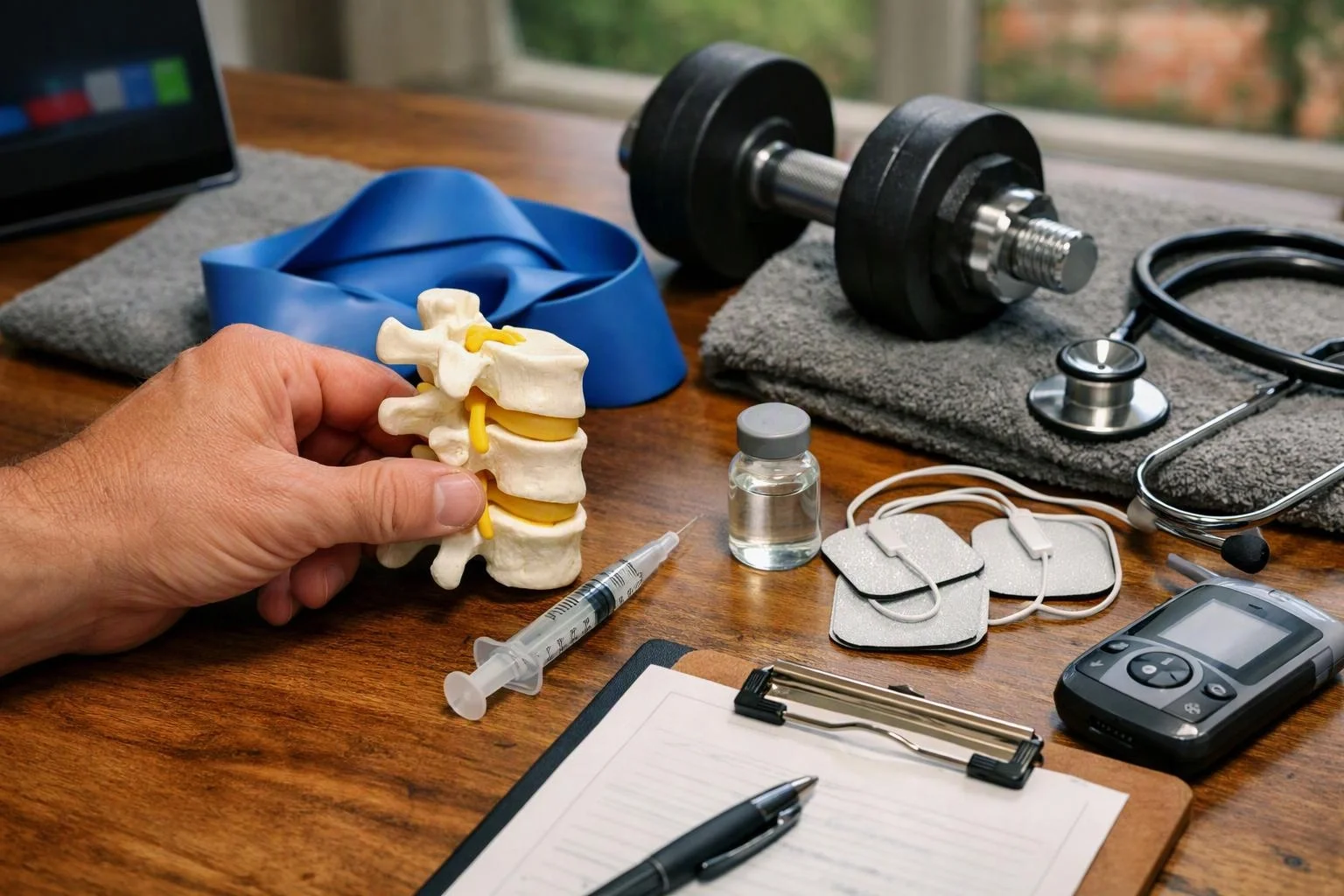
How Pain Management and Physical Therapy Work Together
Pain management and physical therapy work together when symptom control helps you take part in rehabilitation safely and consistently.
A pain management physician evaluates the source of pain and its effect on movement. Physical therapy then uses therapeutic exercise, manual therapy, and movement training to improve mobility.
Better pain relief can make daily activity and therapy easier. Our team matches treatment choices to your functional recovery goals, whether you have acute pain, chronic pain, or nerve pain.
Readers seeking injury-related care can also review our auto accident injury evaluation service when appropriate.
When You May Need Both Services
Combined care may help when pain, stiffness, weakness, or nerve symptoms limit progress with rehabilitation alone. Our team considers the injury, your symptoms, and your ability to move before recommending a coordinated plan.
We use these concerns to set practical treatment goals. The plan can change as your movement, strength, and symptom pattern change.
Can Physical Therapy Be Combined with Injections?
Yes, physical therapy can be combined with injections when the treatment plan supports safer movement and better participation in rehabilitation.
An epidural steroid injection may be considered when inflammation around spinal nerves contributes to pain. Injection therapy does not replace rehabilitation, so our team uses treatment planning to connect symptom control with movement goals.
Physical therapy after an injection may focus on safe exercise, posture, mobility, and gradual activity. Timing depends on your symptoms, examination findings, and response to care.
Our guide, “Spine Pain Procedures Explained: Epidurals, Facet Injections, and Nerve Blocks,” can help explain common procedure choices.
How Procedures and Rehabilitation Support Each Other
Procedures and rehabilitation support each other when each step serves the same treatment goal. Our team reviews the treatment sequence and adjusts it when your symptoms or function change.
We explain what each part of care is designed to do. We also discuss what the quoted plan includes and how to request an exact quote from our team.
What Other Care May Support Pain Recovery?
Other care may include guided home exercises, activity changes, education, and follow-up that support the main treatment plan.
Multidisciplinary pain management brings related parts of care into one plan. Our team may coordinate physical therapy, a home exercise program, activity modification, and education about safe movement.
Supportive care can also address sleep, work demands, posture, and daily tasks. These steps help connect pain relief with lasting mobility and functional recovery.
How We Build a Coordinated Pain Care Plan
Our coordinated plan starts with a pain evaluation and connects medical findings to your rehabilitation goals. We explain each step so you understand why it belongs in your treatment plan.
Care coordination continues as your response becomes clearer. We may adjust procedures, exercise plans, or activity limits when the clinical picture changes.
What Should You Ask Before Combining Treatments?
Before combining treatments, ask how each service supports your treatment goals and daily function.
Ask whether any medical condition or medication creates a contraindication. Our team reviews medicines, activity limits, and possible warning signs before procedures or rehabilitation begin.
Ask how the procedure and physical therapy fit together. Clear care coordination helps everyone follow the same plan and report changes early.
Ask what follow-up care includes and how you can request an exact quote. We explain the planned services, clinical factors, and cost drivers before care moves forward.
Questions About Combining Pain Treatments
Should I start physical therapy before or after a pain procedure?
Premier Injury Specialists chooses the therapy sequence after reviewing your symptoms, examination, procedure, and rehabilitation goals. Some people begin with movement work, while others need symptom control before therapy can progress safely.
Can physical therapy help after an epidural steroid injection?
Yes, physical therapy can help after an epidural steroid injection when the plan supports safe movement and gradual rehabilitation. Therapy may focus on exercise, mobility, posture, and activity goals.
What happens if pain prevents me from completing physical therapy?
Pain that prevents therapy calls for a treatment review. We reassess the symptoms, movement limits, medicines, and exercise plan, then adjust care to support safer participation.
Can other treatments be added to a pain management plan?
Yes, other treatments can be added when they support your symptoms, function, and treatment goals. Options may include rehabilitation, activity modification, education, home exercises, or a procedure chosen during evaluation.
Plan Your Coordinated Pain Care
Coordinated pain care connects symptom control, procedures, physical therapy, and follow-up planning. Premier Injury Specialists reviews your needs and explains the next steps for a focused treatment plan.
Related Resources
Whiplash After a Car Accident: Symptoms and When to Seek Care
Brand vs BrandRadiofrequency Ablation Providers Worth Comparing in Stockbridge (2026)
Compared ToFirst Pain Management Appointment: What to Expect and How to Prepare
Compared ToChoosing an Auto Accident Injury Evaluation: Records and First-Visit Process