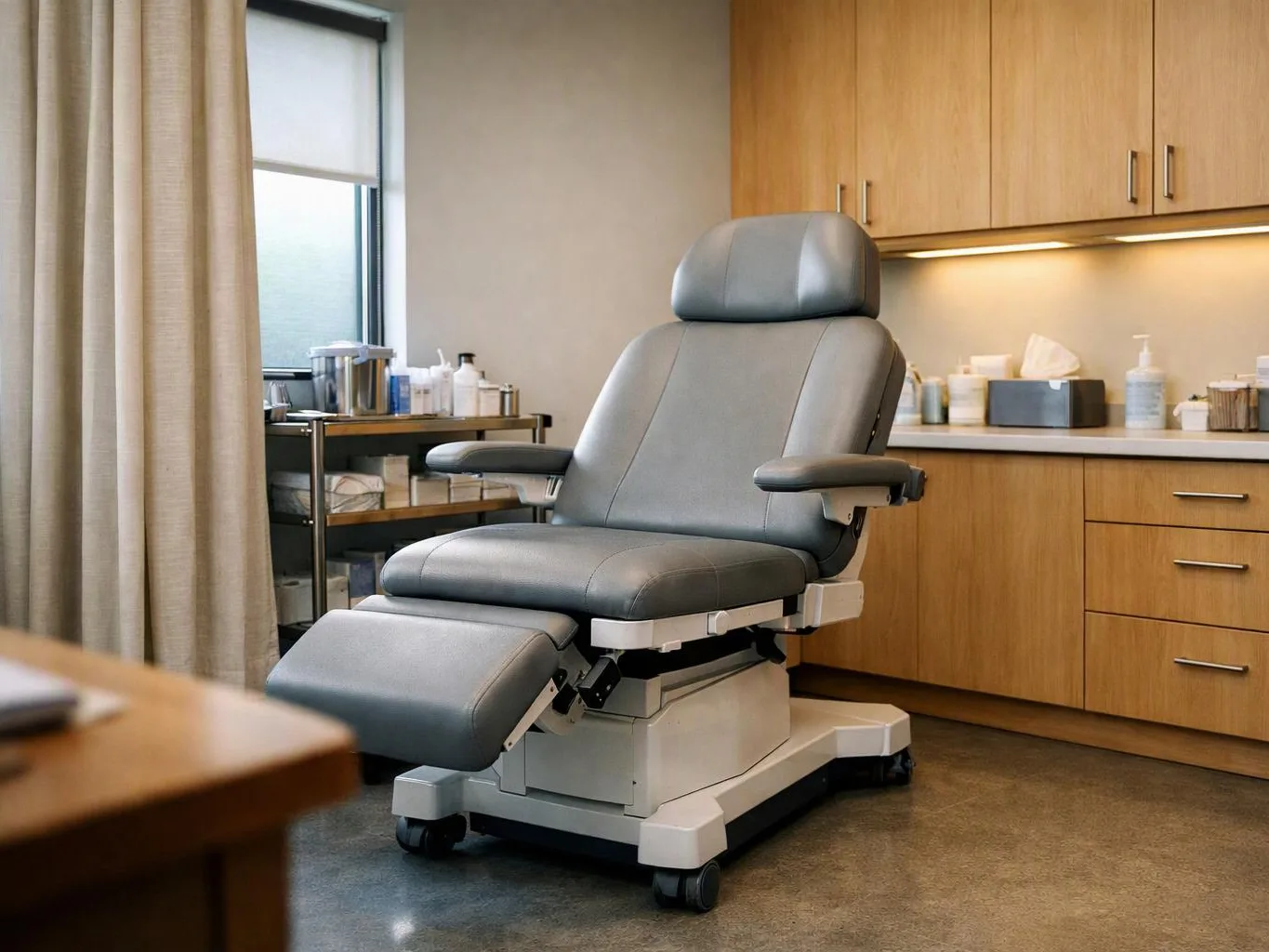
First Pain Management Appointment: What to Expect and How to Prepare
First pain management appointments review your pain history, symptoms, prior care, records, and goals before the care plan is discussed. Premier Injury Specialists helps you prepare the information our team needs for a focused evaluation and an informed discussion of possible next steps.
Request an EstimateWhat Happens at a First Pain Management Appointment?
First pain management appointments review your pain history, symptoms, prior care, and goals before the next steps are considered.
A pain management physician will ask about your medical history and pain symptoms. We’ll discuss when the pain began, how it feels, and how it affects your daily activities.
Our team may complete a physical examination. The exam can help connect your symptoms with movement, strength, sensation, and functional limits. We’ll then discuss treatment goals and possible parts of a treatment plan.
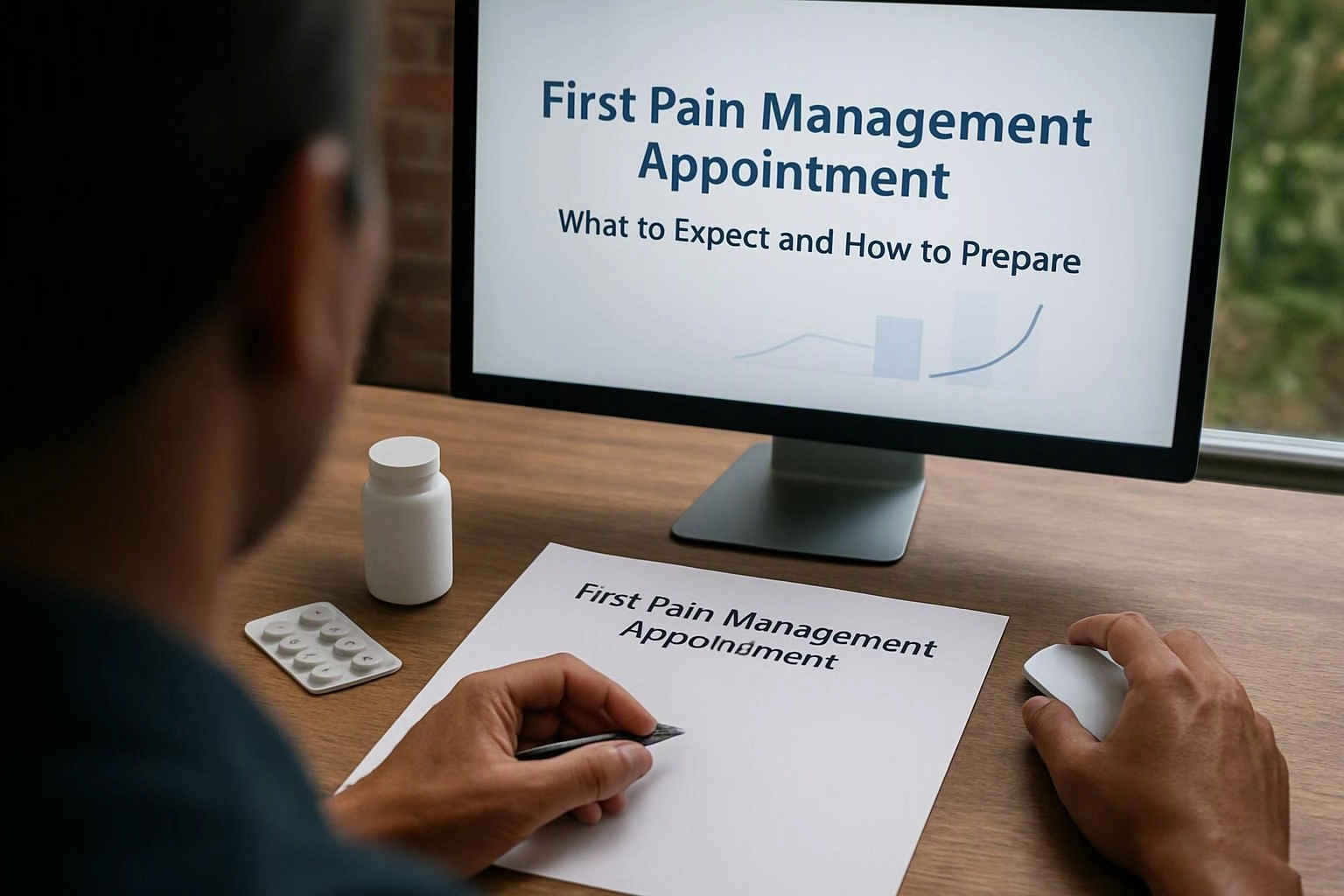
How Should You Prepare Before the Visit?
Preparation means writing down your symptoms, gathering treatment records, and listing every medicine or supplement you use.
These details help our team understand your condition and use visit time wisely. Bring your questions so you can take part in a clear care discussion.
Which Imaging and Medical Records Should You Bring?
Medical records from previous care can help our team understand your symptoms and treatment history.
Bring available MRI, X-ray, CT scan, and ultrasound reports. Images may also help when the office can review them in the correct format.
Specialist notes, physical therapy records, surgical records, and medication history can add useful context. If you can’t obtain every record, bring what you have and tell us where previous care occurred.
Diagnostic imaging is only one part of a pain evaluation. We connect records with your symptoms and physical examination findings before discussing treatment options.
What Questions Will the Pain Management Physician Ask?
Pain management physicians ask questions that show how pain affects your body and daily life.
Answer as clearly as you can. You don’t need medical terms, and your pain history can include both acute pain and chronic pain.
How Does an Interventional Pain Evaluation Work?
Interventional pain management connects your symptoms and examination findings with possible treatment options.
Our team reviews your pain location, range of motion, nerve symptoms, strength, and sensation. We also consider functional limitations, prior treatment, and your treatment goals.
An interventional pain evaluation doesn’t promise a specific procedure. The findings guide an informed discussion about care options, expected goals, and follow-up care.
When injury records matter, our team can also review the information used in an auto-accident injury evaluation.
What Tests Might Be Considered After the Visit?
Additional testing may be considered when your medical history and physical examination support it.
Depending on the clinical question, our team may consider diagnostic imaging, laboratory testing, or nerve testing. Each test should answer a specific question about your symptoms or function.
Clinical decision-making weighs the possible value of a test against your symptoms, prior results, and treatment goals. A test isn’t automatically needed because pain is present.
How Do In-Person and Remote First Visits Compare?
In-person appointments allow a direct physical examination, while remote appointments may suit an initial discussion when the practice offers that format.
The best-fit visit depends on your symptoms, available records, need for examination, and planned follow-up care. Ask about cost before scheduling because coverage and visit format can affect your out-of-pocket responsibility.
| Factor | In-person appointment | Remote appointment |
|---|---|---|
| Cost | Depends on coverage, visit type, and patient responsibility. | Depends on coverage, visit type, and patient responsibility. |
| Visit timeline | Includes an examination during the visit. | Begins with history, records, and symptom discussion. |
| Follow-up care | May support examination-based planning. | May require an in-person visit for examination or treatment. |
| Best fit | Symptoms needing direct examination or imaging review. | Initial history, records review, and care discussion. |
In-Person Appointment Advantages and Best Fit
In-person appointments provide direct examination during the initial evaluation.
Best for people whose evaluation may depend on a direct examination.
Remote Appointment Advantages and Best Fit
Remote appointments can begin with medical history, records review, and care discussion.
Best for people who can start with history and records before an examination.
What Should You Ask Before Leaving the Appointment?
Before leaving, ask what the findings mean, what happens next, and which changes require prompt medical attention.
Clear answers help you understand your care plan and follow-up instructions. Write down the answers or ask whether printed instructions are available.
How Can Premier Injury Specialists Help With Medical Documentation?
Medical documentation supports a clear pain evaluation when it connects injury records, symptoms, examination findings, and prior care.
Premier Injury Specialists reviews relevant injury information and medical documentation to support a clear pain evaluation. Our team can organize the details needed for an auto-accident injury evaluation and an informed care discussion.
Consultations are Free Consultations. Use our contact page to discuss your first pain management appointment.
Questions About Your First Pain Management Appointment
Can I attend a pain management appointment without previous medical records?
Yes, Premier Injury Specialists can begin with your history, symptoms, and available information. Previous records can still help our team understand prior treatment and avoid repeating details.
Should I write down my pain symptoms before the appointment?
Yes, writing down pain symptoms can make your answers clearer. Include pain location, duration, triggers, relief, sleep changes, and effects on daily activities.
Will a pain management physician review my medications?
Yes, a pain management physician may review your medications, supplements, prior medicines, and side effects. Bring an accurate list so the discussion is complete.
Can a first pain management visit lead to an injection?
A first visit may lead to a discussion of an injection, but the decision depends on your history, examination, records, goals, and clinical findings.
What should I do if my pain changes before the appointment?
Contact the office if your pain changes before the appointment, and describe the new symptoms clearly. Seek prompt medical attention for severe or sudden changes, new serious weakness, or other urgent warning signs.
Premier Injury Specialists helps patients prepare for a focused pain evaluation and clear next steps.
Contact Premier Injury Specialists to discuss your appointment needs.
Related Resources
Whiplash After a Car Accident: Symptoms and When to Seek Care
What It SolvesHeadache After a Head Injury: Symptoms That Need Evaluation
What Goes With ItHow Pain Specialists Evaluate Symptoms: Exams, Imaging, and Nerve Tests
What Goes With ItPain Management Beyond Opioids: Treatment Options and Care Planning