Pain Management Beyond Opioids: Treatment Options and Care Planning
Non-opioid pain management may include physical therapy, non-opioid medicines, injections, nerve treatments, behavioral support, and daily pain strategies. Premier Injury Specialists helps patients connect treatment choices with a clear care plan, including Free Consultations.
Request an EstimateWhat Is Non-Opioid Pain Management?
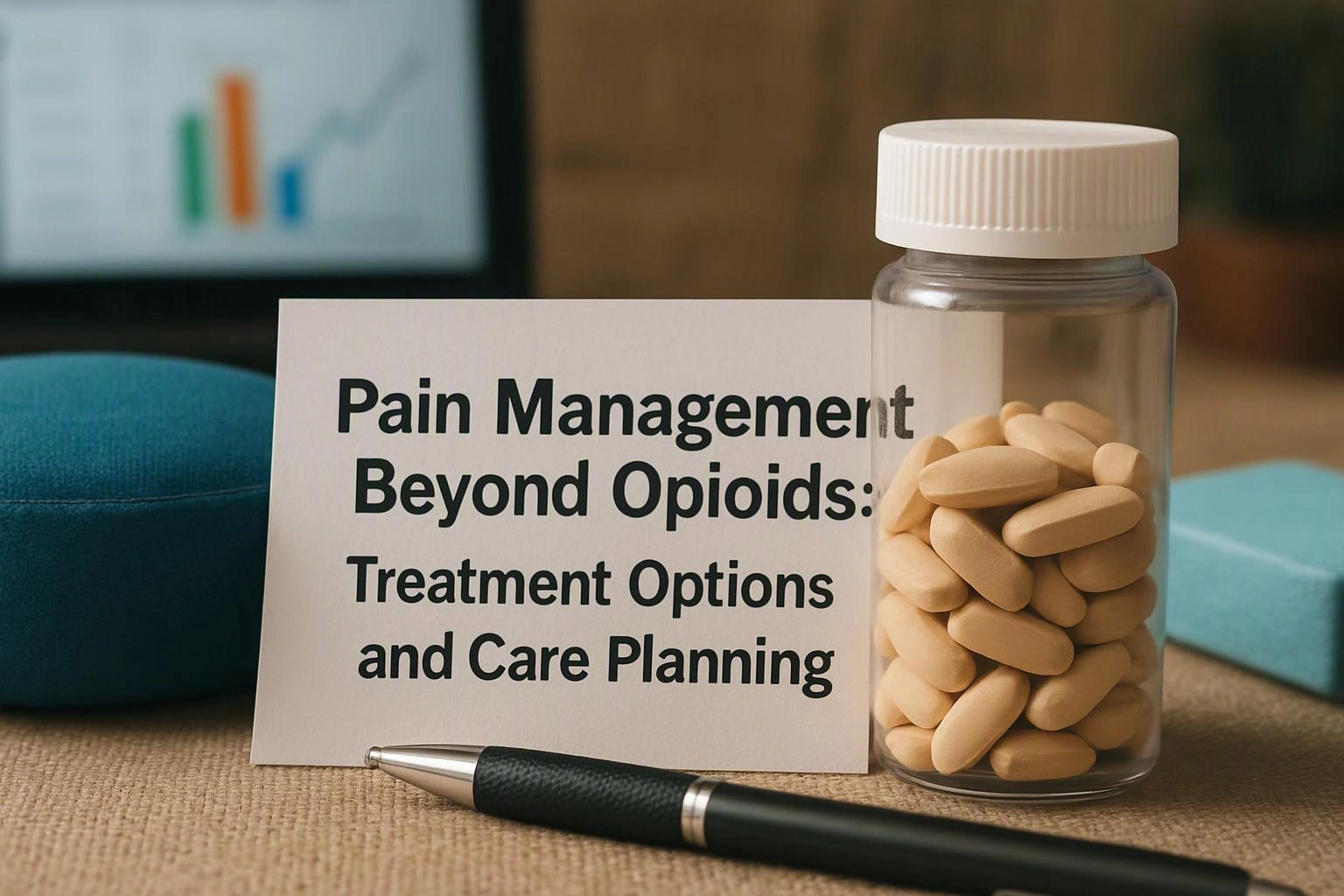
Non-opioid pain management is a group of treatments that reduces pain without relying on opioid medicines. The plan may address inflammation, nerve pain, muscle problems, or pain linked to an injury.
Chronic pain often needs more than one treatment. Our pain management physician uses multimodal pain care to match treatment choices with the pain source, health history, and daily goals.
We connect pain evaluation with practical next steps. Patients who need broader injury care can also explore our auto accident injury evaluation service.
Which Treatments May Help With Chronic Pain?
Chronic pain treatment may combine medicines, movement-based care, procedures, and coping support based on the pain source and patient needs.
Non-opioid options may help with musculoskeletal pain, neuropathic pain, inflammation, and pain after surgery. We choose treatments after reviewing the diagnosis, symptoms, risks, and treatment goals.
Non-Opioid Medicines and Topical Treatments
Non-opioid medications can target pain through different pathways. Options may include acetaminophen, anti-inflammatory medicines, and topical medicines applied to the painful area.
Some antidepressants may help certain pain conditions. Anticonvulsants may help nerve pain, including symptoms linked to neuropathy.
Medication review helps us check current medicines, allergies, side effects, and drug interactions. We also consider kidney, liver, stomach, and heart concerns when selecting treatment.
Procedures, Therapy, and Daily Pain Strategies
Physical therapy can improve strength, movement, and function when pain limits daily activity. Occupational therapy may help patients adjust tasks and protect function at home or work.
Injections may include nerve blocks, epidural injections, or trigger point injections. We use the pain diagnosis and exam findings to decide whether a procedure fits the care plan.
Daily strategies can support progress between visits. Graded activity, sleep support, stress management, and behavioral pain support may help patients build steadier routines.
When Do Pain Management and Chronic Pain Treatment Work Together?
Pain management and chronic pain treatment work together when symptoms need coordinated medical care. Our team connects the diagnosis with therapy, medication review, procedures, and follow-up care.
These services can support one another, but the right mix depends on the cause and severity of pain. We adjust the plan when symptoms or functional goals change.
How Do These Services Work Together in a Care Plan?
A pain management physician can assess the pain, coordinate treatment choices, and review progress as the plan changes. Care coordination helps keep each treatment connected to the same goals.
Cost drivers can include the type of visit, diagnostic review, procedure selection, medicines, and therapy needs. We explain what the requested service includes and how to obtain an exact quote through a service consultation.
How Can a Pain Management Physician Help With Long-Term Medication Use?
A pain management physician can review long-term medicines, watch for risks, and build safer non-opioid options around the patient’s condition.
Medication reconciliation compares every prescription, over-the-counter medicine, and supplement. This review can reveal duplicate medicines, side effects, or drug interactions.
We discuss whether a medicine is helping pain relief and functional improvement. Tapering decisions require a careful review of the medicine, symptoms, risks, and patient preferences.
Shared decision-making keeps the patient involved in each change. Our team can build a non-opioid treatment plan around medical conditions, daily needs, and treatment goals.
How Is a Non-Opioid Pain Care Plan Built?
A non-opioid pain care plan is built from the medical history, pain assessment, examination, testing, goals, and follow-up needs. Each step helps us choose care that fits the person and the pain diagnosis.
Our process keeps treatment tied to measurable daily needs without reducing care to a single medicine or procedure. We also explain why a treatment may or may not fit the diagnosis.
What Should You Discuss Before Starting Treatment?
Before starting treatment, discuss pain symptoms, current medicines, medical conditions, allergies, and previous treatments. These details help us identify safety concerns and possible causes.
Tell our team what makes the pain better or worse. Include changes in sleep, work, walking, lifting, exercise, or other daily activities.
Functional goals help guide treatment choices. We also review treatment risks, expected benefits, alternatives, and signs that require follow-up.
How Do You Request a Personalized Pain Management Evaluation?
Premier Injury Specialists provides personalized pain management evaluations that connect medical records, symptoms, and treatment goals. We use the consultation to discuss possible care paths and next steps.
Bring available medical records, imaging reports, medicine lists, and notes about previous treatments. You can also prepare questions about procedures, therapy coordination, medication safety, and follow-up care.
Contact our team to request a service consultation and discuss Free Consultations. We’ll help you understand which information supports the evaluation and which treatment choices may fit your needs.
Get a Free EstimateQuestions About Non-Opioid Pain Care
Do pain management doctors usually prescribe opioids?
Pain management doctors may prescribe opioids in selected cases, but Premier Injury Specialists also evaluates non-opioid options and medication safety. The treatment plan depends on the diagnosis, prior care, risks, and functional goals.
What are non-surgical pain treatment options?
Non-surgical pain treatment options include medicines, physical therapy, occupational therapy, injections, nerve blocks, movement strategies, and behavioral support. We select options based on the pain source and the patient’s needs.
Can non-opioid treatments help with nerve pain?
Yes, non-opioid treatments can help with nerve pain when they match the cause and symptoms. Options may include medicines for neuropathic pain, topical treatments, physical therapy, nerve blocks, and daily activity support.
What should I bring to a pain management consultation?
Bring medical records, imaging reports, a current medicine list, allergy information, and notes about previous treatments. Bring your treatment goals and questions about pain relief, safety, and daily function.
Related Resources
First Pain Management Appointment: What to Expect and How to Prepare
Compared ToPain Management Cost Factors: What Affects Your Out-of-Pocket Cost
Compared ToInsurance and Pain Management: Verify Coverage Before You Book
Compared ToSelf-Pay Pain Management: Questions to Ask Before Scheduling