Skip to content

Medication Management in Forest Park, Georgia

We review pain medicines as part of focused care for crash-related injuries. Free consultations help you discuss medication concerns with our team.

4.9 · 119 ReviewsSame-Day ServiceUpfront, Transparent PricingAll Major Brands
Medication Management helps people in Forest Park manage pain after a motor vehicle collision. We review current medicines, pain symptoms, and prior care before discussing the next step. Premier Injury Specialists also supports medical documentation for personal injury claims or MedPay coverage.

Our Track Record

Average Rating
4.9
Customer Reviews
119

What a documented pain plan helps you understand

You receive a clearer link between your crash symptoms and the medicines being considered.

Your care record can support personal injury claims or MedPay discussions.

Medication concerns become part of a broader plan that may include imaging or procedures.

You get preparation guidance before care begins, including what to bring and what to discuss.

What Medication Management Covers

Medication Management is a clinical service that reviews medicines and connects them to a patient’s pain plan.
  • Medication Management differs from an injection because it evaluates medicine use, side effects, interactions, and treatment goals.
  • The service requires injury-focused evaluation because Premier Injury Specialists treats motor vehicle collision conditions rather than general primary care needs.
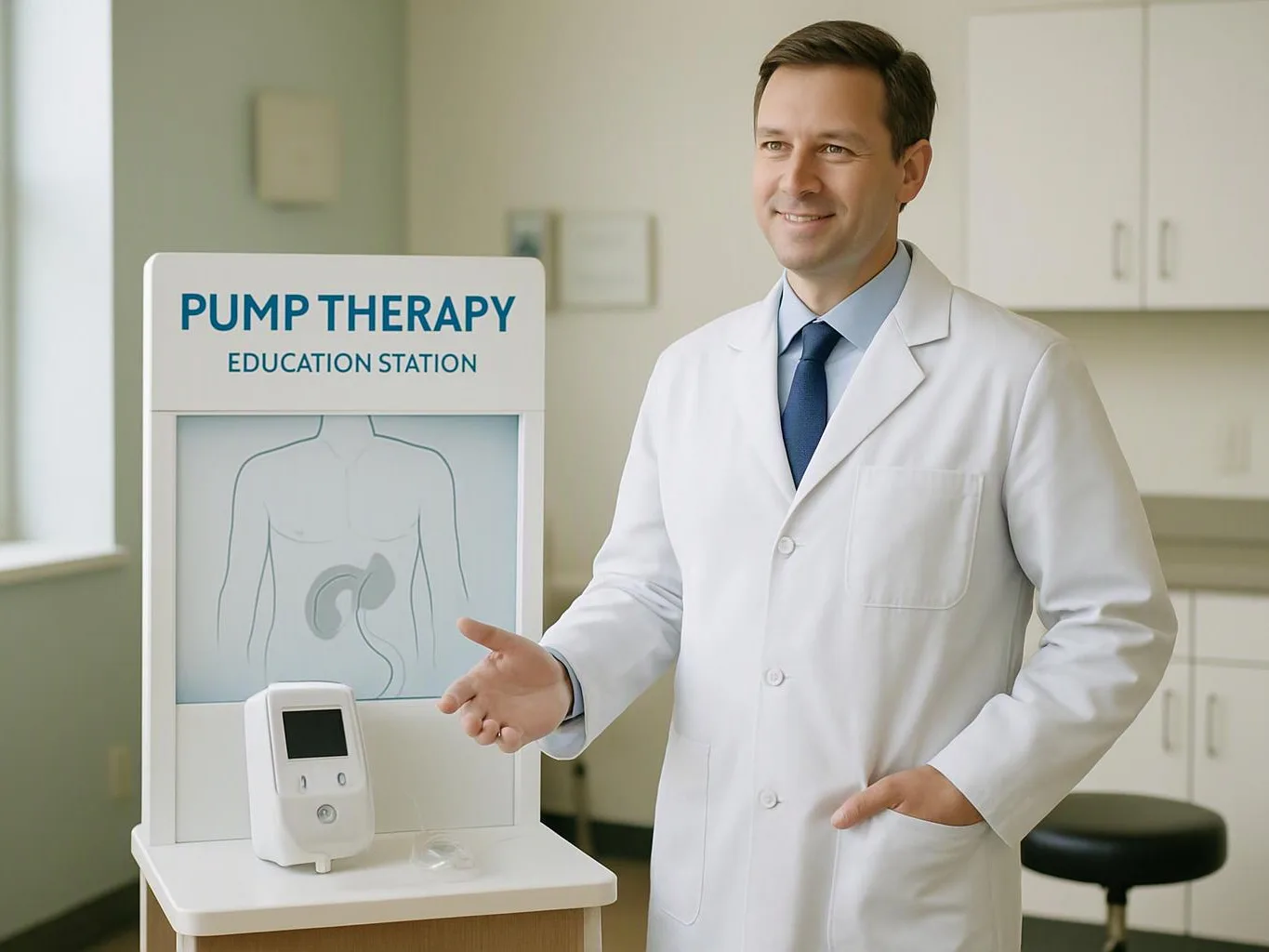
A smiling doctor in a white coat stands beside a pump therapy education display in a clinic room
About

How medication planning fits crash injury care

Medication Management starts with the injury story, current symptoms, and medicines already in use. We look at how pain affects sleep, movement, work, and daily tasks. The plan can include medicine review, patient education, and changes that fit the clinical findings. We may also coordinate referrals for imaging or interventional care when those services match the injury. Our practitioner view is simple: medicine should support the full injury plan, not stand alone. That is why our records connect symptoms, findings, treatment choices, and follow-up needs.

Process

Steps from medicine review to a documented plan

1

Review the crash and current medicines

We discuss the collision, symptoms, current medicines, prior treatment, and goals so the plan starts with the full clinical picture.

2

Connect symptoms with injury findings

We assess pain patterns and related conditions, then consider whether imaging referrals or other evaluations fit the findings.

3

Discuss the treatment direction

We explain medication choices, patient preparation, possible side effects, and other pain care in plain language.

4

Document the agreed care plan

We record the clinical findings, treatment direction, and coordination needs for ongoing care or claim documentation.

5

Discuss consultation costs first

Free consultations give you a chance to discuss your injury, medication concerns, and available payment arrangements before care begins.

What to bring to a medicine review

Bring the information that helps us connect your medicines with the collision and your current symptoms.

  • A current list of medicines, including over-the-counter pain medicines.
  • Records from emergency care, primary care, or other injury visits.
  • Imaging reports or discs you already received after the collision.
  • A short note about pain location, numbness, weakness, headaches, or sleep changes.
  • Details about your attorney lien or MedPay arrangement, if either applies.

The Premier Injury Specialists Standard

Coordinated Care

We coordinate medication decisions with relevant specialties when collision-related symptoms require care beyond pain management.

Individualized Plans

We match each medicine plan to the patient’s condition, goals, symptoms, and referring provider’s needs.

Patient Preparation

We explain medicine questions and preparation steps before care begins, so patients know what information to bring.

Customer Reviews for Medication Management in Forest Park

4.9(119 Customer Reviews)View our Google Business Profile
Kassie Evans
Kassie Evans
3 months ago
Verified on Google
Absolutely recommend , the staff was so great , Mrs. Tracy was the BEST so friendly, the Dr was very nice he explained everything so I could understand and it was always up too me on what I wanted to do no pressure. If your having an issues or even thinking about getting anything done this is the place to go ! Thanks so much yall made a very scary/stressful situation a great time and easy .
Cici Flood
Cici Flood
a year ago
Verified on Google
Doctor is very knowledgeable about injections and spine . Tracy’s customer service was impeccable. She made me feel at ease . Overall great team !
Stephanie Mora
Stephanie Mora
2 months ago
Verified on Google
Love Dr. Scott! She’s not pushy and is very knowledgeable. She makes sure you understand everything before treatment. Tony and Tracy were also super kind and helpful. Great experience!

Questions about medicine planning after a collision

Who provides medication management for crash injuries in Forest Park?

Premier Injury Specialists provides medication management for crash-related injuries in Forest Park. Our board-certified pain management physicians review symptoms, current medicines, prior care, and treatment goals. The broader plan may include imaging referrals, injections, nerve blocks, or documentation for personal injury claims and MedPay coverage. We don’t provide general primary care, urgent care, or workers’ compensation care.

What determines the cost of medication management and related care?

The clinical services needed determine the cost, including evaluation, imaging referrals, procedures, and follow-up care. Free consultations let you discuss your injury and payment arrangement before care begins. We accept attorney liens and MedPay arrangements, and no out-of-pocket payment is typically required at the time of the visit. Ask our staff how your arrangement applies.

Can medication management help after whiplash or a herniated disc?

Medication management can support care for whiplash, herniated discs, and related pain symptoms. The plan depends on the examination, symptom pattern, current medicines, and available records. We may also consider an imaging referral or interventional treatment when appropriate. Individual results vary, and our team explains the care direction before treatment begins.

What should I bring to my first medication review?

A current medicine list and prior injury records give us the strongest starting point. Bring these items:

  • Current prescription and over-the-counter medicines
  • Imaging reports or discs
  • A note about pain, numbness, weakness, headaches, and sleep

These details help us connect the medicine discussion with the collision-related injury.

Does medication management replace injections or imaging?

Medication management does not replace imaging referrals or injections when those services fit the injury. Our team reviews the full clinical picture and may include epidural steroid injections, facet joint injections, nerve blocks, radiofrequency ablation, or joint injections in the broader plan. We explain why a treatment is being considered and how it relates to the documented condition.

Can I receive a same-day evaluation after a car accident?

Same-day evaluations are often available after a motor vehicle collision. Availability depends on the office schedule and the clinical details you share. Our office hours are Monday through Thursday from 8 a.m. to 6 p.m, and Friday from 8 a.m. to 5 p.m. We use the evaluation to discuss symptoms, medicines, records, and appropriate next steps.
Contact

Discuss medication management for your Forest Park injury

Get a documented pain plan that connects your symptoms, medicines, and crash-related care. Schedule a consultation with Premier Injury Specialists to discuss your Forest Park injury and payment arrangement.

A doctor stands with a stethoscope in a clinic office beside a sign reading "PAIN SPECIALIST"
Scenarios

When Customers Call Us About Medication Management

1

Pain Medicine No Longer Feels Manageable

Pain after a crash may remain strong while a medicine causes sleepiness, stomach upset, or other concerns. The key issue is how the medicine fits your symptoms and the rest of your care. Bring every current medicine and relevant record to a consultation, so we can review the plan and explain the next clinical step.

2

New Nerve Symptoms After Collision

Pain that travels from the neck or back into an arm or leg can point to nerve irritation, sciatica, or radiculopathy. Medication review alone may not answer the cause. We assess the symptom pattern and may recommend an imaging referral or related pain treatment when the findings support it.

3

Documentation Needed For Injury Coverage

A patient using an attorney lien or MedPay arrangement may need records that connect symptoms, findings, and care decisions. Medication Management includes documentation within the broader injury plan. Bring claim details and prior records to the consultation, and we’ll explain what information the clinical record should address.


Our Other Services

Auto Accident Injury EvaluationAfter a crash, neck stiffness or dizziness can make normal tasks difficult. Our providers assess whiplash, spinal tenderness, headaches and neurological changes, then document injuries and recommend appropriate imaging or treatment.
Epidural Steroid InjectionsRadiating leg or arm pain from an irritated nerve may need focused relief. An epidural steroid injection places medication near the spine to calm inflammation linked to herniated discs or radiculopathy.
Facet Joint InjectionsPain that worsens with bending or twisting may come from irritated facet joints. Targeted facet joint injections deliver medication beside the affected spinal joints and help identify whether those joints drive your symptoms.
Medial Branch BlocksPersistent back or neck pain can involve the small medial branch nerves serving facet joints. A medial branch block temporarily numbs those nerves and provides useful guidance before considering longer-lasting radiofrequency treatment.
Occipital Nerve BlocksPain at the back of your head can spread behind the eyes or across the scalp. An occipital nerve block places anesthetic and steroid near the occipital nerve to reduce nerve-related headache pain.
Radiofrequency AblationLong-lasting facet pain may continue after temporary injections wear off. Radiofrequency ablation uses controlled heat on selected medial branch nerves, reducing pain signals from spinal joints while preserving normal movement.
(478) 607-6106