During project preparation, what complications can occur with intrathecal pain pump therapy before the first stage starts?
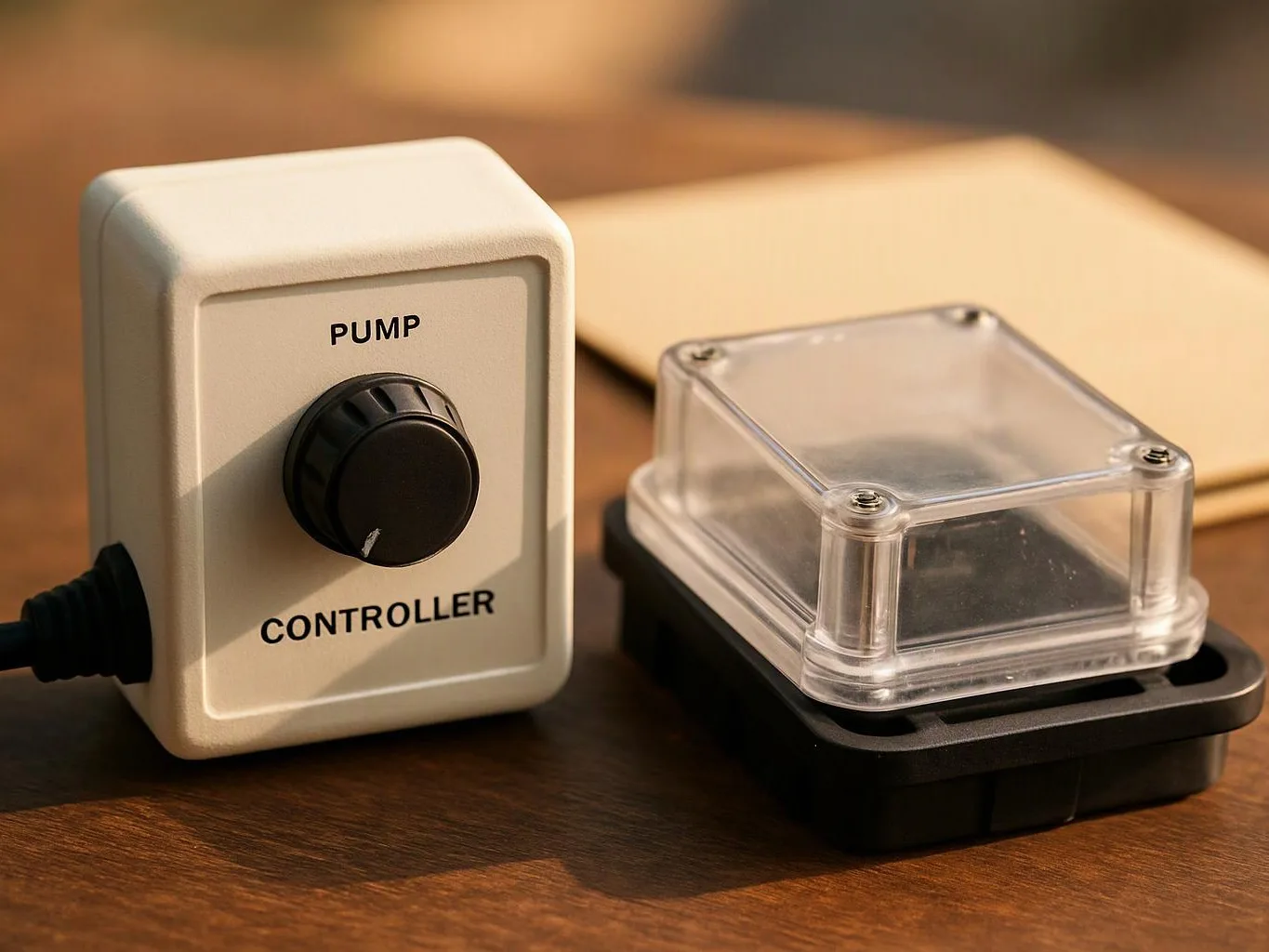
Pump malfunction can cause changed pain control, unexpected symptoms, or medication delivery problems. Catheter blockage, medication withdrawal, infection, and unrelated spine or nerve conditions also need consideration. We review the medical history, symptoms, examination findings, and available records. Seek urgent medical attention for severe weakness, confusion, fever, or sudden worsening.
How does a catheter blockage affect pain treatment?
Catheter blockage can reduce or change medicine delivery from an implanted pump. New pain, withdrawal symptoms, or a sudden change in control can raise concern. Our team reviews the timing, medication history, physical findings, and device records. We then explain whether further testing, referral, or urgent care is appropriate.
Which warning signs need urgent medical attention for Intrathecal Pain Pump Therapy?
Severe weakness, confusion, fever, sudden worsening pain, or suspected medication withdrawal needs urgent medical attention. These signs can have more than one cause, so symptom review alone cannot confirm a pump problem. We assess crash-related injuries and coordinate the next medical step when the situation fits our service.
When should I bring records to a pump evaluation?
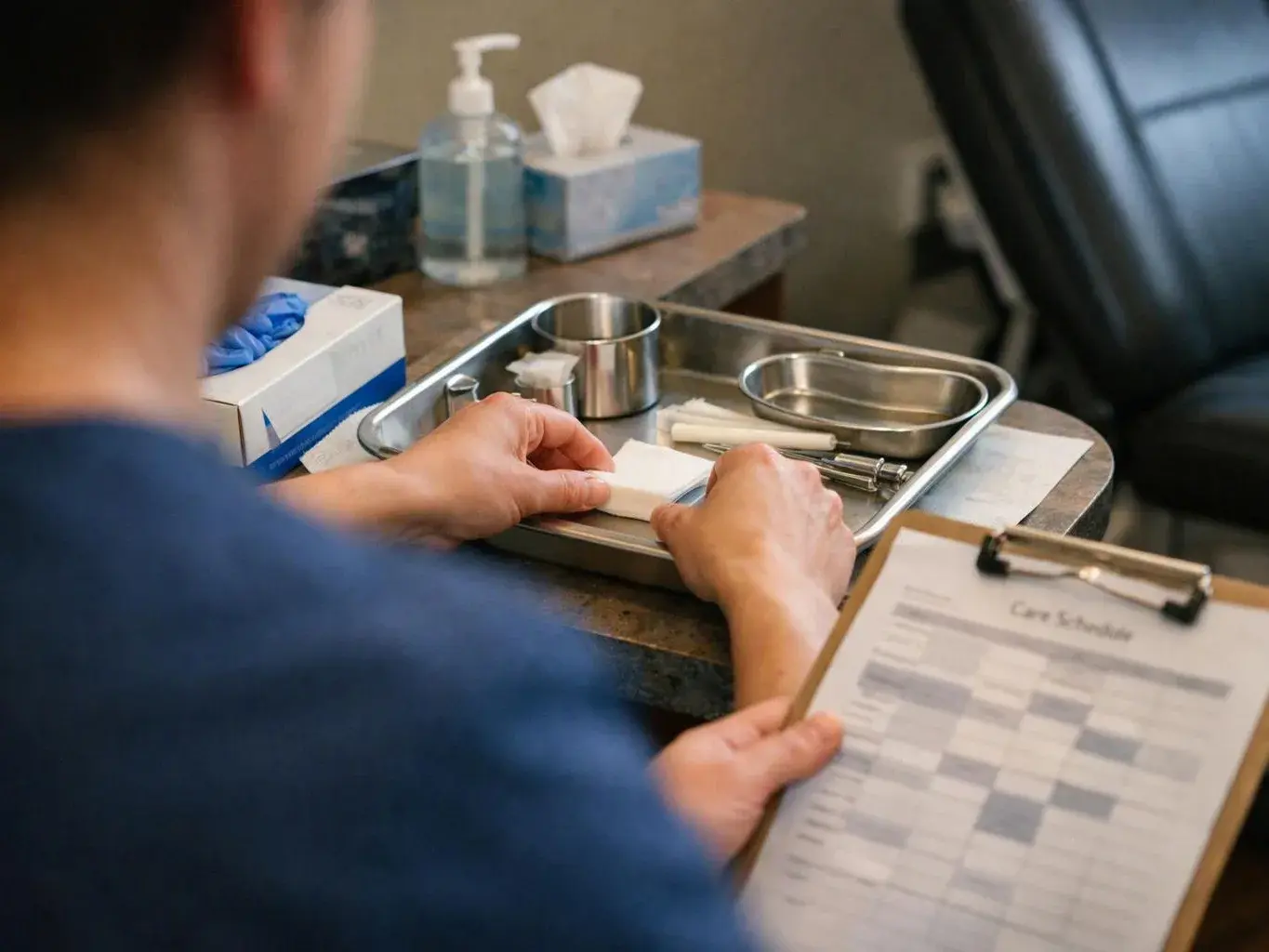
Medical records should come with you whenever they are available, especially pump details, medication information, imaging reports, and collision treatment notes. Those documents help connect the symptom change with prior care. Our team can review the information during an assessment and prepare support for a personal injury claim or MedPay coverage.
Why might pain change even when the pump is working?
Pain can change because of a spine injury, nerve irritation, soft-tissue injury, medication issue, or another medical condition. A working pump does not rule out new crash-related pain. We examine the symptoms and treatment history, then consider pain management, imaging referral, or coordinated care based on the findings.
What does the first evaluation check for Intrathecal Pain Pump Therapy?
The first evaluation checks symptoms, strength, sensation, pain pattern, medication history, crash records, and the implanted system history. We use those findings to decide which care path fits. Patients should share changes in pain control, weakness, fever, confusion, or other symptoms that began after treatment.