Before work begins, how is recovery monitored after herniated disc treatment?
Mobility testing tracks movement changes after herniated disc treatment. Pain levels, strength checks, symptom patterns, and follow-up imaging are reviewed when appropriate. The provider compares current findings with earlier records and explains whether the plan should continue, change, or include another referral. Results vary, and the care plan follows the patient's medical findings.
What should I bring to my first disc injury evaluation?
Medical records and imaging reports give the provider useful context during the first evaluation. Bring collision details, prior treatment notes, medication information, and any report that describes the injury. Our team also needs a clear account of pain, numbness, weakness, and activity limits so the examination and documentation address the full concern.
Which treatments may be considered for a herniated disc?
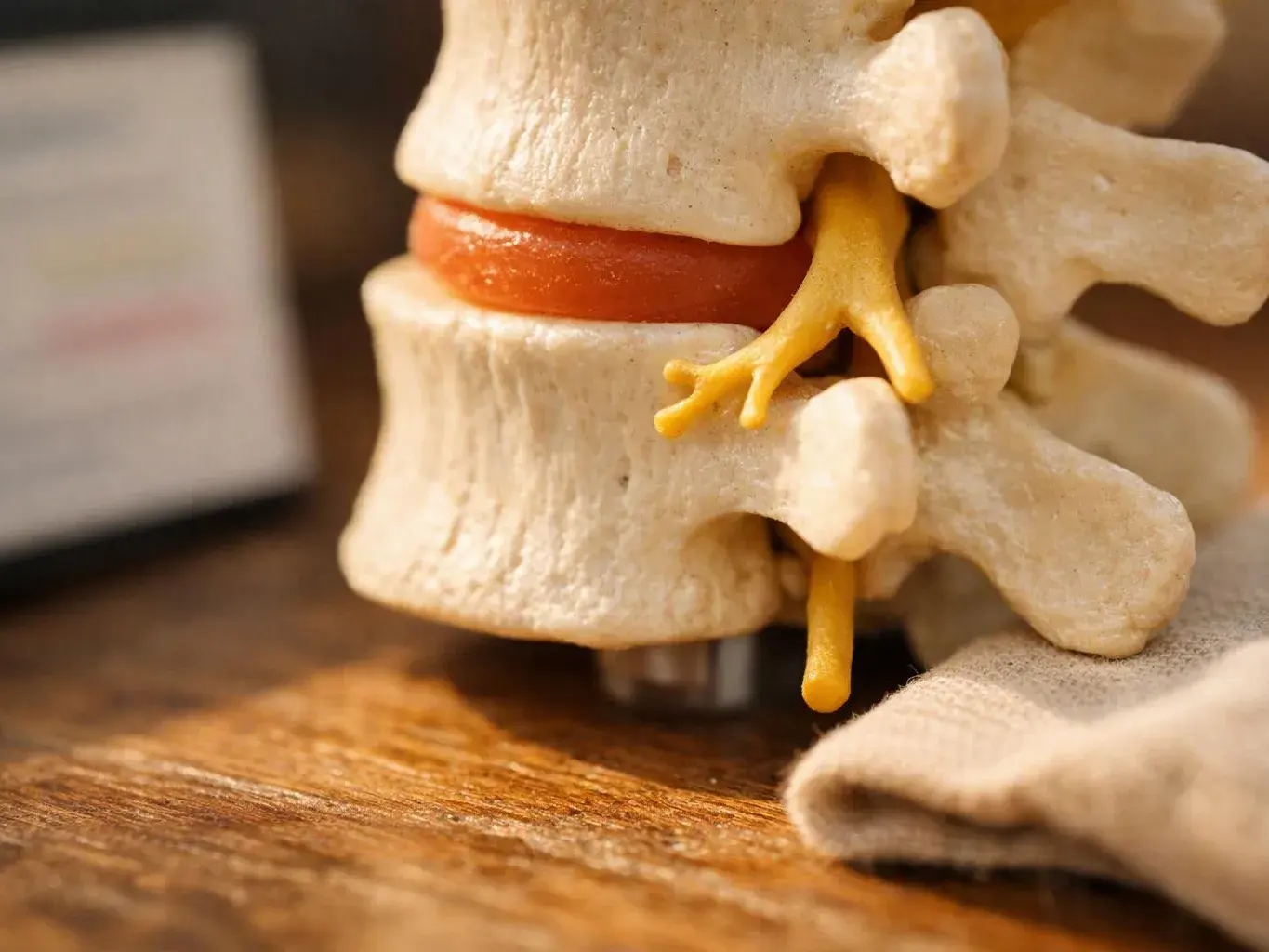
Treatment may include pain management, an imaging referral, or an interventional procedure based on the evaluation. Options can include epidural steroid injections, facet joint injections, medial branch blocks, or radiofrequency ablation. Each procedure fits a different pain source, so the provider explains why an option matches the findings before recommending it.
When should disc pain receive urgent medical attention?
New bladder or bowel control problems, severe weakness, or rapidly worsening symptoms require urgent medical attention. Those signs can point to a serious nerve problem that needs prompt evaluation. Call emergency services or seek urgent care for those symptoms, then tell our team about the change during follow-up.
Why might a provider refer me for follow-up imaging?
Follow-up imaging may add information when symptoms change or the examination raises a new concern. The referral decision considers prior images, pain patterns, strength findings, and the response to care. Imaging does not replace the physical examination, and our team explains what the requested study is meant to clarify.
Does payment for crash-related care require money at the visit?
Payment arrangements may include attorney liens or MedPay, and no out-of-pocket payment is typically required at the time of the visit. The arrangement depends on the claim and the care provided. Our staff explains the paperwork and payment process during the consultation, so patients know what the office needs before treatment.
Who provides this care for motor vehicle injuries?
Premier Injury Specialists provides evaluation and treatment for injuries caused by motor vehicle collisions. Board-certified pain management physicians assess disc-related pain, nerve symptoms, and function. Care may include imaging referrals, injections, pain management, and documentation for personal injury claims or MedPay coverage.