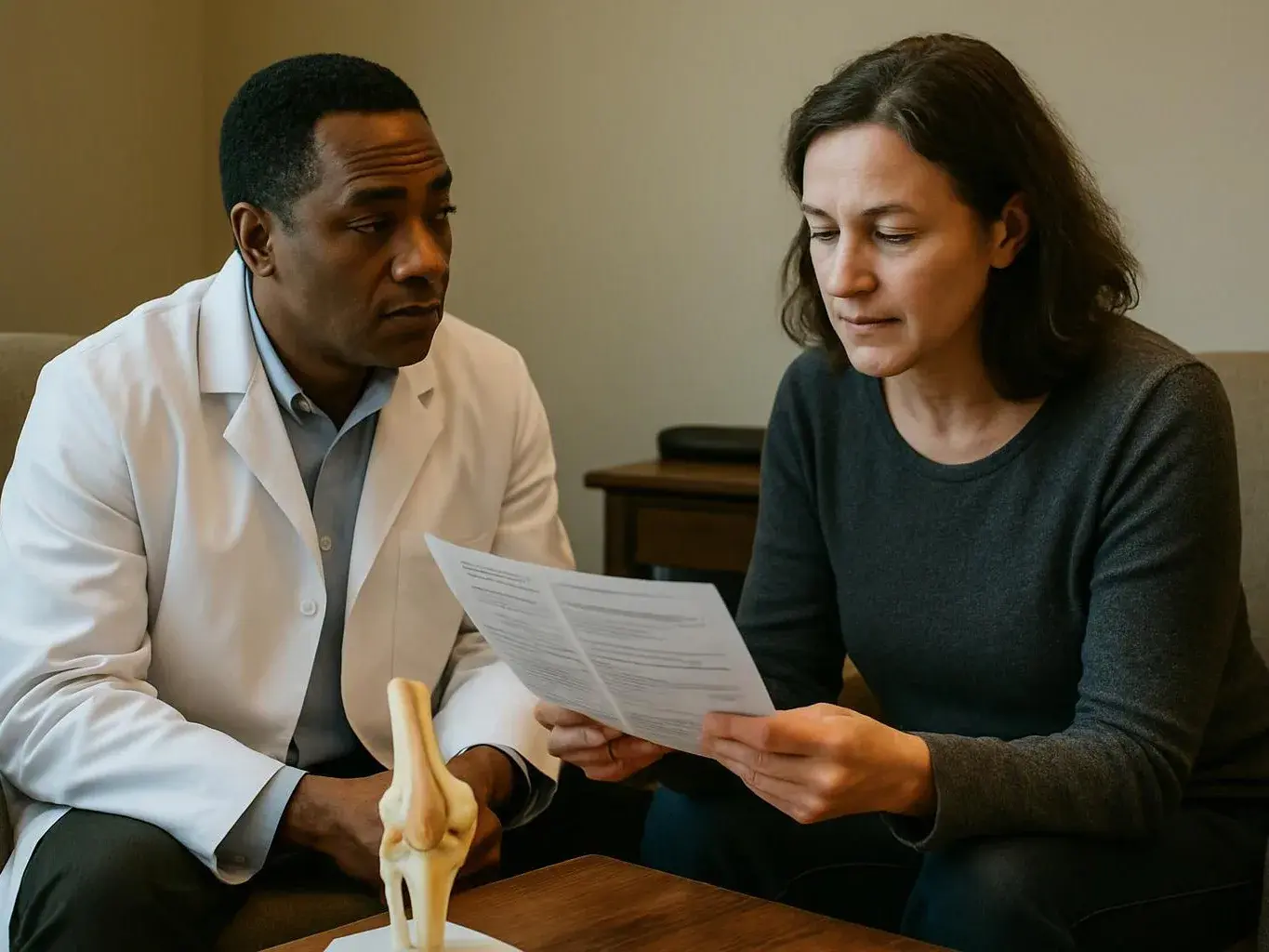
Review symptoms and medical history
We ask about pain location, intensity, triggers, sleep, movement, cancer treatment, and current records so the evaluation starts with the right context.
Our pain management physicians provide focused care for cancer-related pain in Forest Park. Free consultations help you discuss symptoms, records, and possible next steps.
A pain plan tied to your symptoms and treatment history.
Medical documentation that supports personal injury claims or MedPay coverage when applicable.
Access to conservative or minimally invasive options when clinically appropriate.
Care coordination when pain needs input from another medical specialty.
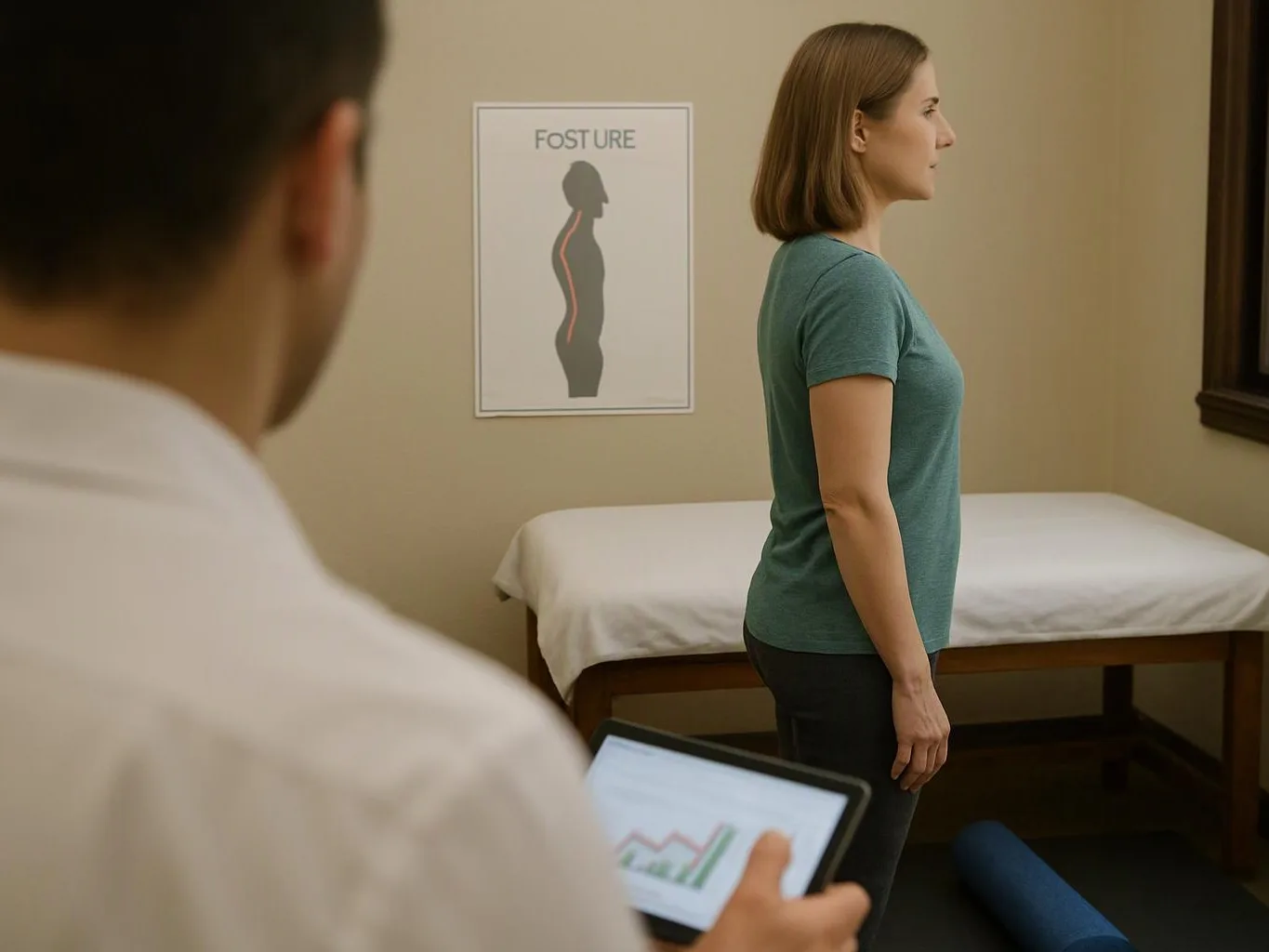
Cancer pain management starts with the pain itself. We review where it occurs, how it feels, what worsens it, and how it affects sleep or movement. The plan can include diagnostic evaluation, pain management, referrals for imaging, or interventional procedures. Treatment may include an epidural steroid injection, facet joint injection, nerve block, radiofrequency ablation, or joint injection when clinically appropriate. Our team also considers the records and goals supplied by the referring provider. We coordinate care across relevant medical specialties when needs extend beyond pain management. Cancer pain is not always constant. It can change with movement, treatment, nerve irritation, or the underlying condition. Our position is clear: a changing pain pattern deserves review before you choose a procedure.
Cancer pain management is a medical service that evaluates cancer-related pain and builds care around its source and effect on daily life.
We ask about pain location, intensity, triggers, sleep, movement, cancer treatment, and current records so the evaluation starts with the right context.
Our providers examine the reported symptoms and consider whether imaging or another diagnostic referral would help explain the pain.
We explain conservative and minimally invasive options, including pain management, injections, nerve blocks, or radiofrequency ablation when clinically appropriate.
We give preparation guidance before care begins and document the plan for the patient and referring provider.
Bring information that helps us connect your pain pattern with your current medical care.
We coordinate relevant medical specialties when cancer-related pain needs information beyond our pain management care.
We build each plan around the patient’s condition, goals, current treatment, and referring provider’s needs.
We explain preparation steps and provide clear guidance before cancer pain care or an interventional procedure begins.

The Premier injury specialists were very kind, professional and thorough in their process to give me treatment. I would certainly recommend anyone to seek their services for pain management.

Phenomenal absolutely Phenomenal experience great friendly and knowledgeable staff, I went 3 times and I loved the treatment highly recommend any one to go....thanks guys im 100% better

The doctor and staff were wonderful! I would recommend any of my family to go here for their injuries.
Premier Injury Specialists will start with a review of your symptoms, records, and treatment needs. Call to request a free consultation and discuss the next step.

Pain can shift after surgery, medication changes, radiation, or other cancer care. The key issue is the new pattern, including burning, aching, weakness, or pain with movement. Bring recent records and a medicine list to a consultation. We’ll review the change and explain whether pain management, imaging referral, or coordination with another provider fits the situation.
Night pain can make rest and daily care harder, even when the source is not clear. Your sleep pattern, pain location, and current treatment plan help shape the evaluation. Write down when the pain starts and what affects it before your visit. Our team can review those details and discuss suitable next steps.
Some patients worry about needles or about choosing the wrong procedure. That concern matters because an injection, nerve block, or ablation should match the suspected pain source. Ask what the procedure is meant to assess or treat, what preparation involves, and how records will be shared. Free consultations let you discuss those questions before care begins.