Persistent Pain After Surgery: When to Discuss Further Care
Persistent post-surgical pain deserves medical review when it continues, worsens, or limits daily activities. Premier Injury Specialists can assess possible causes and discuss further pain treatment based on your symptoms, surgery, and recovery.
Request an Estimate
What Persistent Pain After Surgery Can Mean
Persistent post-surgical pain is pain that continues, returns, or interferes with recovery after the expected healing process. Pain after surgery can involve the incision, nearby tissues, joints, or nerves.
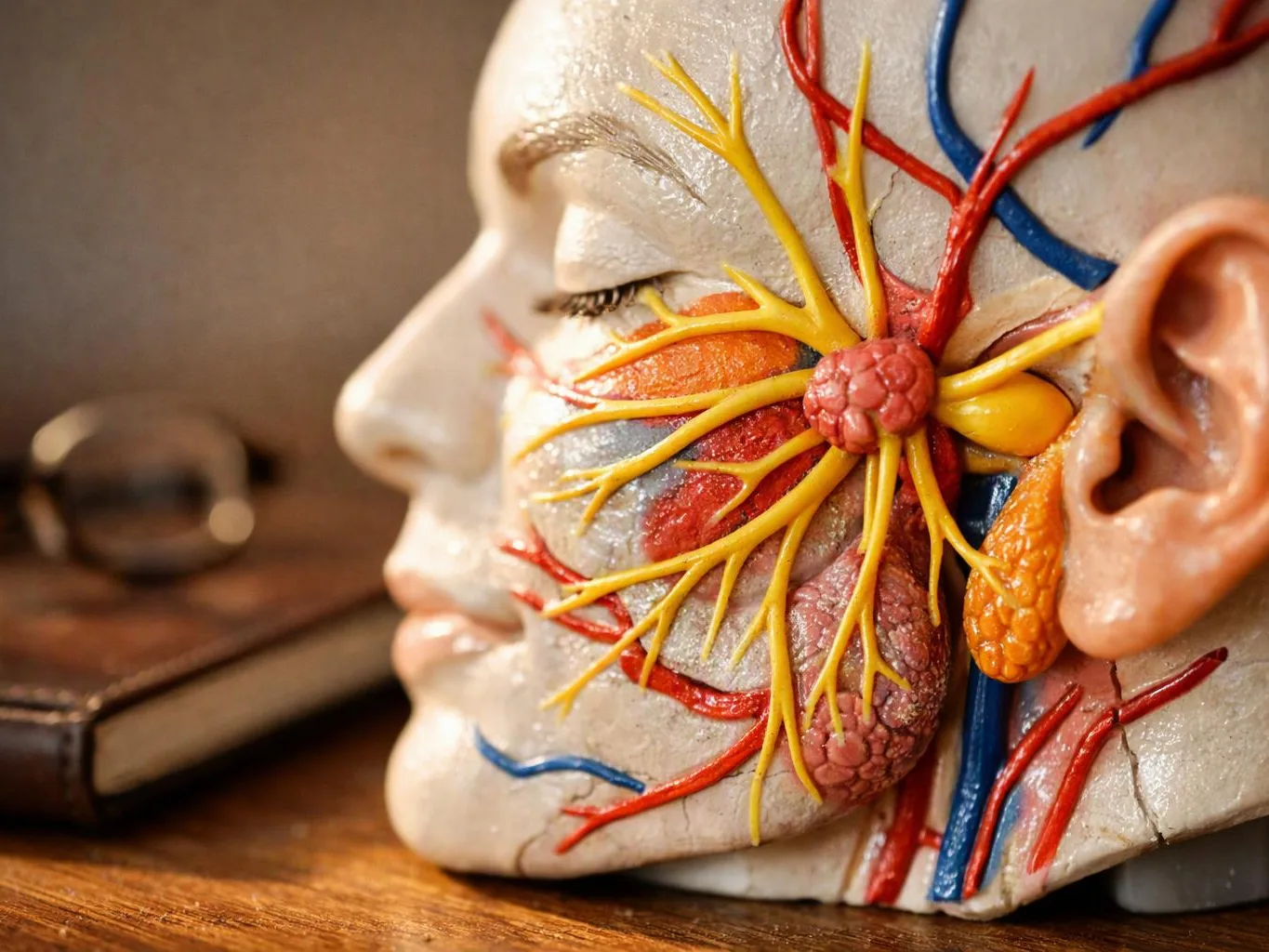
Surgical recovery varies with the procedure and the person. Our pain assessment reviews pain intensity, location, quality, timing, and effect on daily activities. Nerve pain may feel burning, electric, or sharp, while inflammation may cause tenderness and swelling.
Signs Your Post-Surgical Pain Needs Further Review
Post-surgical pain needs further review when the pattern changes or starts limiting normal function. These signs can help you decide when to contact the surgical team or pain clinic.
One symptom may have several possible causes. Our team considers the full symptom pattern before discussing treatment planning.
Why Pain Can Continue After Surgery
Post-surgical pain can continue because of nerve irritation, ongoing inflammation, scar tissue, infection, or another condition affecting recovery.
Nerve irritation can cause burning, tingling, numbness, or pain with light touch. Inflammation can keep tissues sensitive, while scar tissue can affect movement or create local tenderness. Reinjury and altered movement can also place stress on nearby muscles and joints.
We review the recovery pattern and examine the painful area to help separate these possibilities. A change in symptoms may call for prompt medical evaluation.
Common Causes of Persistent Post-Surgical Pain
Common causes of chronic pain after surgery include tissue, nerve, and recovery problems. Identifying the likely cause helps guide safer treatment choices.
These causes can overlap, and symptoms alone may not identify the cause. We use your history, examination, and available surgical records to guide the next step.
When to Contact a Clinician About Pain After Surgery
Contact a clinician when pain is worsening, unusual for your recovery, or paired with symptoms such as fever, drainage, weakness, or severe swelling.
Post-operative warning signs can require prompt attention. Seek urgent medical help for severe or rapidly changing symptoms, trouble breathing, chest pain, sudden weakness, or signs of a serious infection.
For less urgent concerns, share your pain severity, recovery pattern, and functional limits during a medical evaluation. We can help assess ongoing pain after surgery and coordinate care when another clinician needs to be involved.
How to Prepare for a Persistent Pain Evaluation
Good preparation gives our team a clearer view of your symptoms and recovery. Bring information that shows what changed, what helps, and what limits your function.
This information supports a focused pain assessment. It also helps us set practical treatment goals with you.
What Further Care for Post-Surgical Pain May Include
Further care may include a focused examination, review of records, medication planning, targeted procedures, or coordination with other treating clinicians.
A pain management physician may perform a physical examination and review your diagnostic records. Medication management may address safety, side effects, and how well current treatment supports daily function.
Depending on your symptoms, care may include injections, physical therapy coordination, or other multimodal pain management. We explain the likely benefits, limits, and risks of each option before treatment planning.
Our Post-Surgical Pain Treatment approach is based on your surgery, symptoms, examination findings, and patient goals.
Prevention Steps That May Support Surgical Recovery
Recovery support starts with following the plan from your surgical team. These steps may reduce avoidable strain and help reveal changes early.
These steps cannot prevent every recovery problem. Early communication can help the care team respond to a changing recovery pattern.
How Premier Injury Specialists Assesses Persistent Post-Surgical Pain
Premier Injury Specialists assesses persistent post-surgical pain through a detailed pain history, physical examination, and review of surgical records.
We ask about neurologic symptoms, including numbness, tingling, burning pain, and weakness. We also review pain triggers, sleep disruption, movement limits, current medicines, and prior treatment.
Our team connects these findings with your treatment goals. We then discuss reasonable next steps, including follow-up care or coordination with your surgeon and other clinicians.
Discuss Your Post-Surgical Pain Treatment Options
Post-Surgical Pain Treatment can help when ongoing pain affects recovery, sleep, movement, or daily activities.
We use your symptoms, surgical history, examination, and patient goals to build a clear care plan. Contact us to discuss your concerns and arrange follow-up care with Premier Injury Specialists.
Contact Premier Injury SpecialistsQuestions About Persistent Pain After Surgery
Can pain after surgery return after it seemed to improve?
Yes, pain after surgery can return after initial improvement. Premier Injury Specialists reviews the new pain pattern, possible triggers, and related symptoms to decide whether further evaluation is needed.
How can I describe nerve pain after surgery?
Describe nerve pain by noting burning, electric, shooting, tingling, numbness, or pain from light touch. Also share where symptoms travel, what triggers them, and whether weakness affects movement.
What records should I bring to a post-surgical pain appointment?
Bring your surgical history, medication list, imaging records, available reports, and pain diary. Include notes about symptom triggers, sleep disruption, and limits on daily activities.
Can persistent pain affect sleep and daily activities?
Yes, persistent pain can disrupt sleep and limit walking, work, exercise, self-care, and other daily activities. These effects are important parts of pain assessment and treatment planning.